
Visiting Sapa From Hanoi: Every Practical Travel Info You Must Know for a Short Trip
Here are all the Sapa tips you need: getting there, getting around, best time to visit, where to stay, things to do, what to pack, food, safety, and health.

Sapa marked the final stop of our trip through Northern Vietnam. We spent two days there, and even though it wasn’t quite the trip I imagined, it turned out to be a memorable experience.
Our story in a nutshell goes like this.
After arriving from Hanoi on a sleeper bus, we headed straight to Fansipan. We explored until late afternoon, then spent the rest of the day relaxing by the calm waters of Lake Sapa. The next day was slow and peaceful as we stayed at the hotel, soaking in the mountain view from the infinity pool. Fansipan didn’t turn out great since the rain and fog ruined the summit view. But finding Lake Sapa and staying at Bamboo Sapa Hotel completely made up for it.


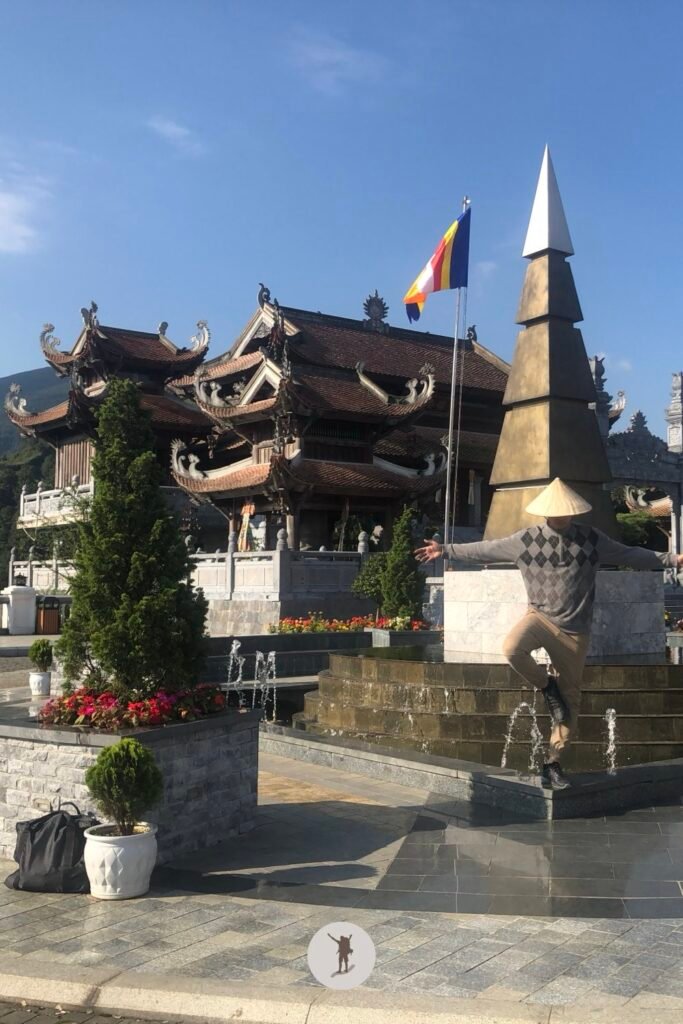
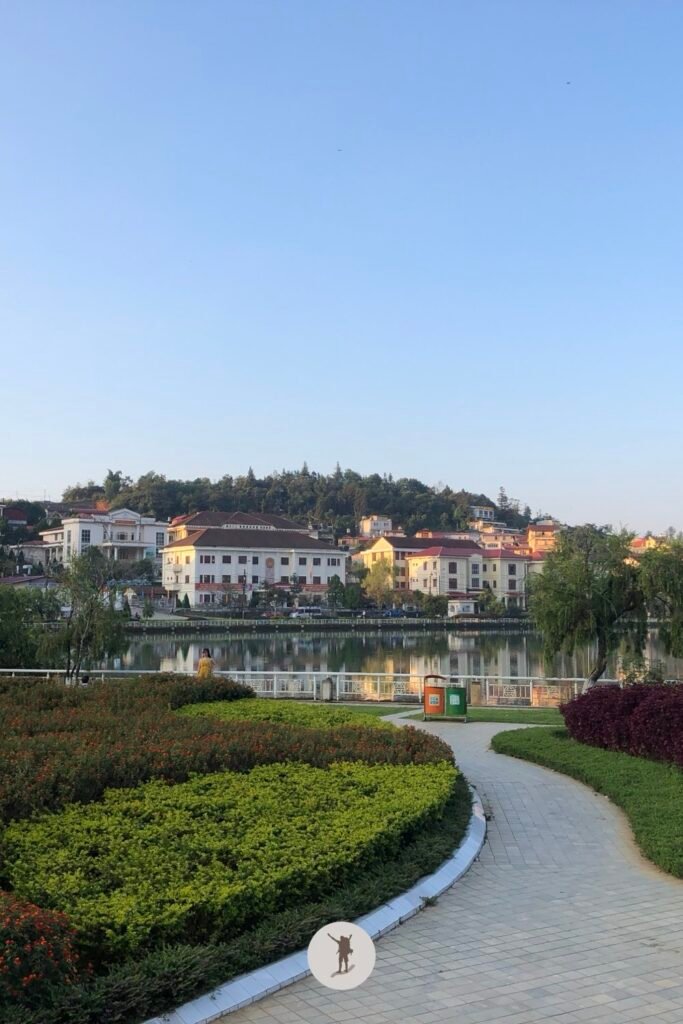
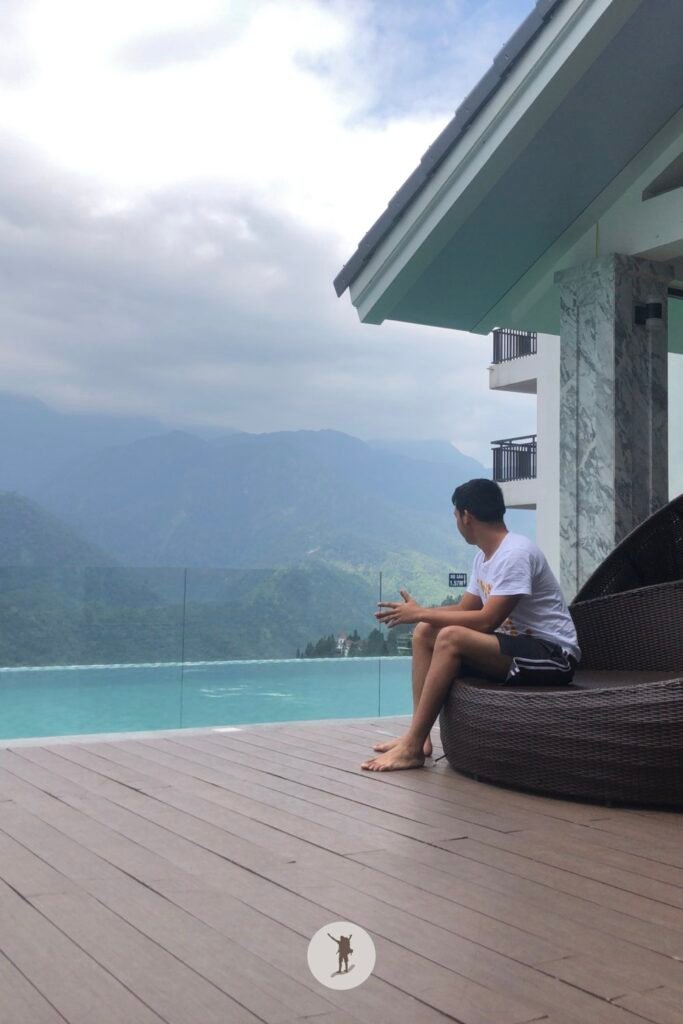

If you’re planning a quick visit to Sapa like we did, I’ll tell you everything you need to know before you go. Click the links below to navigate.
- Getting There
- Best Time to Visit
- Getting Around
- Where to Stay
- Things to Do
- What to Pack
- Where to Eat
- Safety and Health
- Return to Hanoi

Hi! It’s Eljon and I want to welcome you to my blog, Explore to Thrive.
Here, I share my experiences with traveling, reflections on spirituality, personal growth and insights on building an online business, all to make a difference.
But my mission goes beyond that. You can learn more about what I do by visiting my homepage or by subscribing to my newsletter.

How to Get to Sapa
There are three ways to travel between Hanoi and Sapa.
1. Sleeper bus / Limousine van
- Travel time: 6–7 hours
- Pros: Direct, frequent, saves hotel night, easy booking
- Cons: Limited space, bumpy ride, comfort issue
- Best for: Budget travelers, backpackers
- Note: The “limited space, bumpy ride, less comfort” cons are true (most of the time) for standard sleeper buses. VIP or limousine-style buses are more comfortable. So “less comfort” depends on the type.
2. Overnight train + transfer from Lao Cai
- Travel time: About 9 hours total (8-hour train + 1-hour transfer)
- Pros: Comfortable sleeper cabins, scenic, steady ride
- Cons: Slower, requires a transfer, can be confusing to book
- Best for: First-timers, those who prefer privacy
3. Private car / van
- Travel time: 5–6 hours
- Pros: Often the fastest land option, especially if using expressway, door-to-door, flexible stops
- Cons: Expensive if solo, needs advance booking
- Best for: Families, groups, comfort-focused travelers

During our trip, we tried the first option. The sleeper bus.
We thought it was our best option, not only that it’s cheap and convenient, but it also saved us one night of a stay in a hotel. Guess what, we didn’t regret it at all!
I can’t recall if I had any problem, only a few very short awake moments caused by road bumps and curves. I guess, I was too tired to notice the noise around me after a day of exploring Hanoi. But that was it. No interruptions from other passengers.
About the comfort, I wish I had more room since I’m 6 feet tall (183 cm). So, I placed my bag beside me to stretch my legs a little more.
Blankets were available in case it got too cold in the bus. Pillows were also available; attached to the bed but adjustable to fit where your head is.
The driver turned off the lights of the bus as soon as we left the pickup location. Curtains were available to block streetlights. But I still had to cover my face with a handkerchief so I could block the lights and fall asleep fast.
About the pickup location, the bus pickup location sat outside the Old Quarter. We would have had to walk from our hotel to get there, good thing I messaged our coordinator first. He offered a hotel pickup service (a smaller bus) and arranged it for us.
From a more spacious spot near our hotel, the smaller bus took us straight to the main pickup location. The surprise hit us (and we felt great) as the staff attended to us very well.
We arrived in Sapa around 4:30 to 5, after leaving Hanoi around 10.
Best Time to Visit Sapa
While Sapa offers a few indoor activities, such as the Hmong Bath, it is a natural attraction at its core. Most of the time, you’ll be outdoors, so the weather is a key factor when planning your visit.
Aim for the dry season, which runs from January to May, and again in November and December.
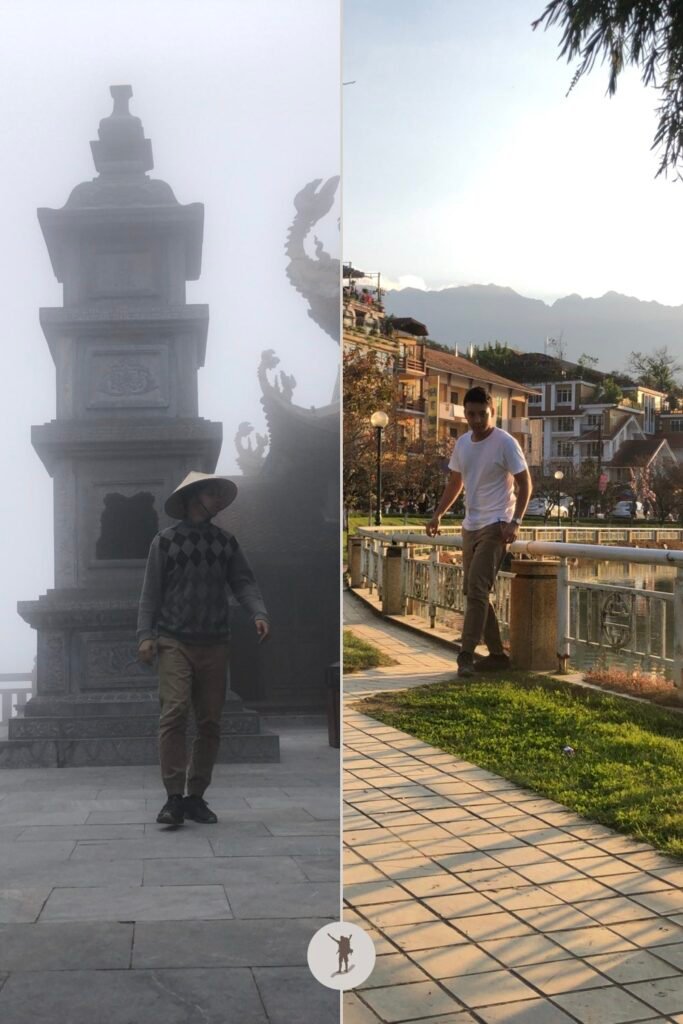
We traveled in September, which I overlooked, and it turned out to be a big mistake. Rain and fog rolled in as we explored Fansipan, the tallest mountain in Vietnam. The stunning views we had hoped to see vanished behind the fog, leaving us staring at a gray wall.
We returned to town disappointed and eager to visit Fansipan again to catch what we had missed. Check out when to visit Fansipan.
Here is something interesting: if you have never experienced snow, Sapa gives you the chance. Snowfall occurs around December and January. Although it is not as frequent as in countries further north.
Getting Around Sapa
Within the town, you only need your feet to get around.
Sapa is compact, and most of its amenities are within walking distance from your hotel. Of course, your hotel should be within the town itself. The supermarket, tourism office, and most top rated restaurants and cafés are all only a short walk away.
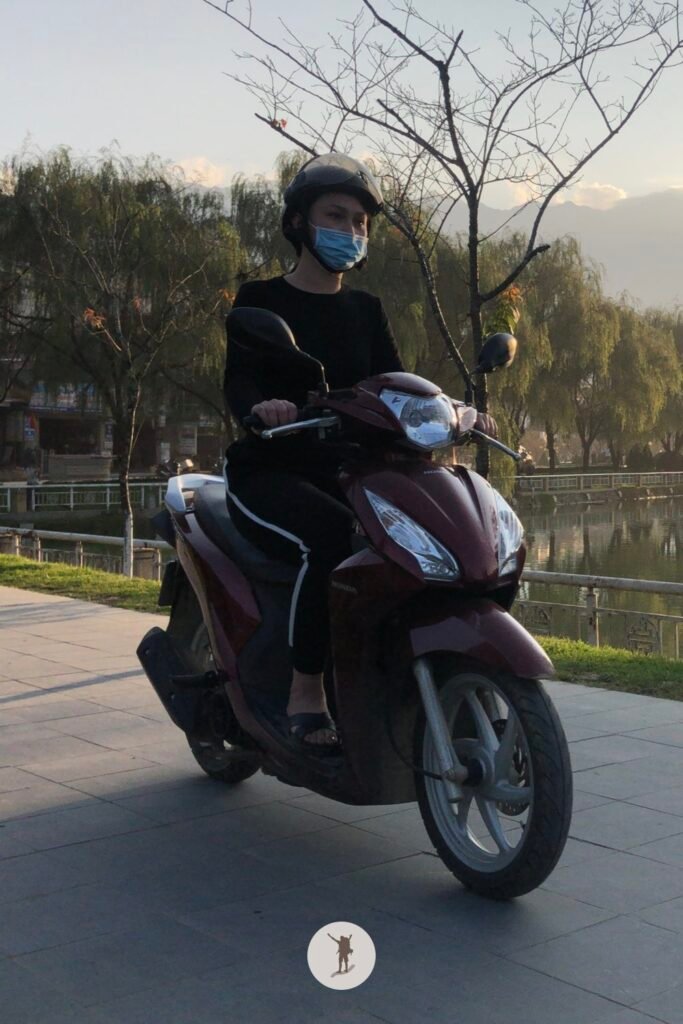
During our trip, we didn’t rent any transportation. The only time we rode a vehicle, a taxi, was when we went to Fansipan. Its station is about 3 kilometers (1.86 miles) from the town.
We could have skipped the taxi since Sun Plaza is right in the middle of town. It is the train station to the Fansipan cable car. Unfortunately, the train was under maintenance during our visit, so we had no choice but to take a taxi.
If you plan to explore beyond the town, consider renting a vehicle or joining a tour.
Do you want to visit coffee shops overlooking the Muong Hoa Valley rice terraces? Or explore Cat Cat or Ta Van Villages? You can rent motorbikes or bicycles from several shops in town at a budget friendly price.
In fact, if you pick the right hotel like we did, they can arrange vehicle rental for you. We stayed in Bamboo Sapa hotel and it’s one of the things they offered to us when we checked in.
Joining a tour is the most convenient way to see these places. You will not need to worry about directions or parking.
For group travelers, renting a car is a better option.
I recommend arranging your car rental, along with a driver, before you arrive in Sapa. Pick it up in Hanoi, where prices are lower because of greater competition. Book in advance to get the car model you prefer before options run out.
If you’re not comfortable driving in Asia or on mountain roads, it’s best to hire a car with a driver.
Where to Stay in Sapa
When it comes to choosing where to stay in Sapa, there are three areas I recommend. The town center, Lake Sapa area, and Muong Hoa Street.
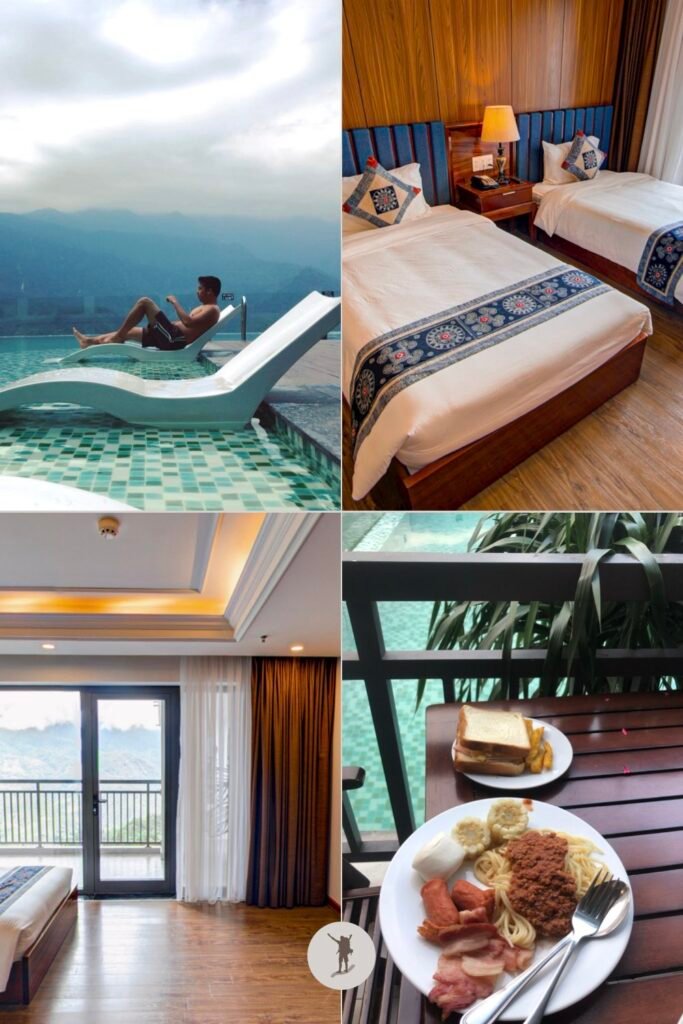
As a mountain lover, I never miss the chance to find accommodations with stunning mountain views. If you’re in the mood for a stay like that, I’ve found five places I believe you’ll really enjoy.
Here are the details of the best areas to stay in Sapa:
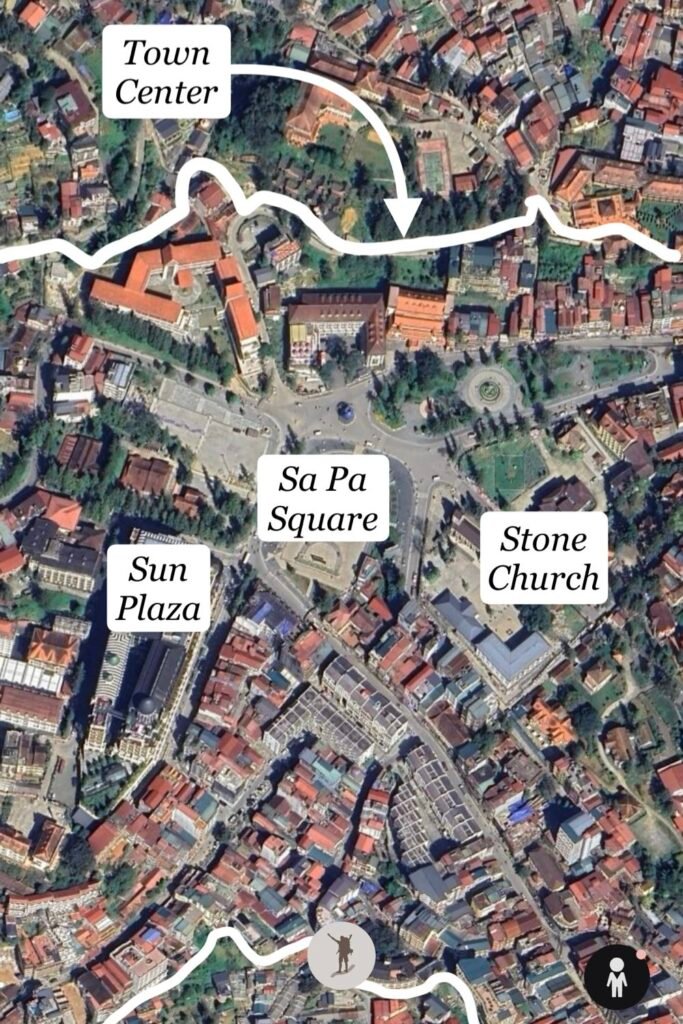
Choose the town center if you want convenience.
Everything is close by: food, cafés, ATMs, rentals, tour meeting points, and even a supermarket. You get the advantage of being right in the middle of the action.
The location is perfect, especially when local festivals and events take place. One example is the Love Market, held at the heart of town near the church in Sapa Square. Staying in the town center means you won’t have any trouble getting there.
The Love Market is a gathering of young people from the Hmong and Dao tribes. They wear traditional clothes and celebrate their culture. They sing, play the flute or panpipe, dance, and exchange words of love.
The event happens every Saturday night at about 9:30 pm.
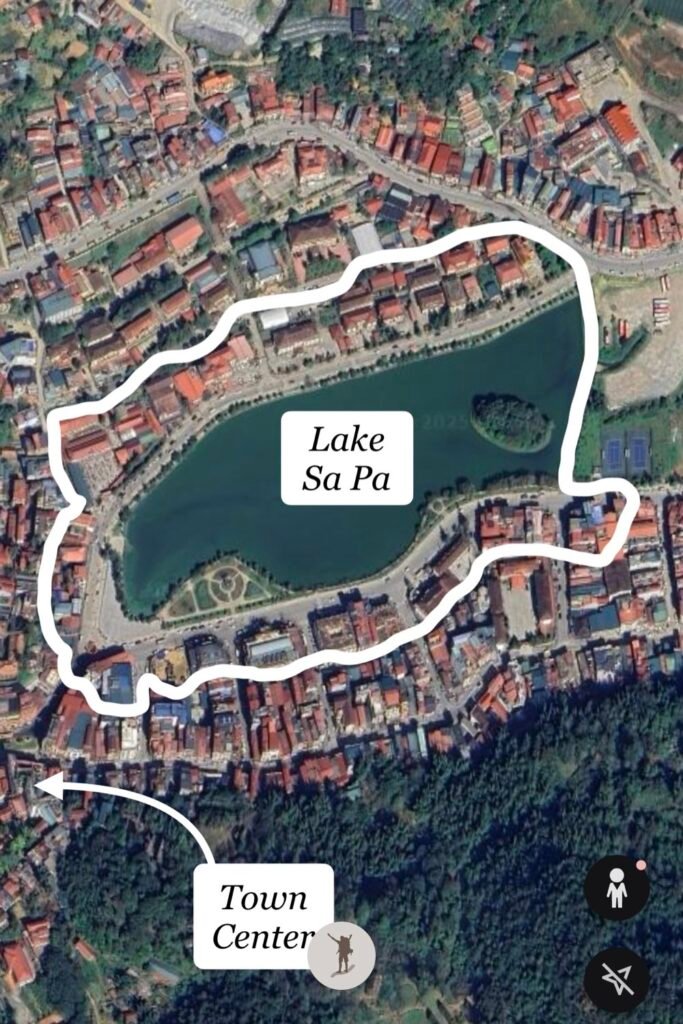
Lake Sapa area is another great spot to find hotels, especially those with a view of the lake.
I’ve been there, and I can tell you it’s stunning! That view alone will make your stay feel special. Weather permitting.
What’s nice about this area compared to the town center is that it’s quieter, yet still close to everything you need.
The western side of the lake, which connects to Xuan Vien Street, is where you’ll find most of the cafés and restaurants. So if food tripping is part of your plan, this is the place to be.
On top of that, you won’t have any trouble getting around if you want to catch town events like the Love Market. Sapa Square is only a short walk from the lake, around 7 to 12 minutes, or about 15 if your hotel is on the eastern side.
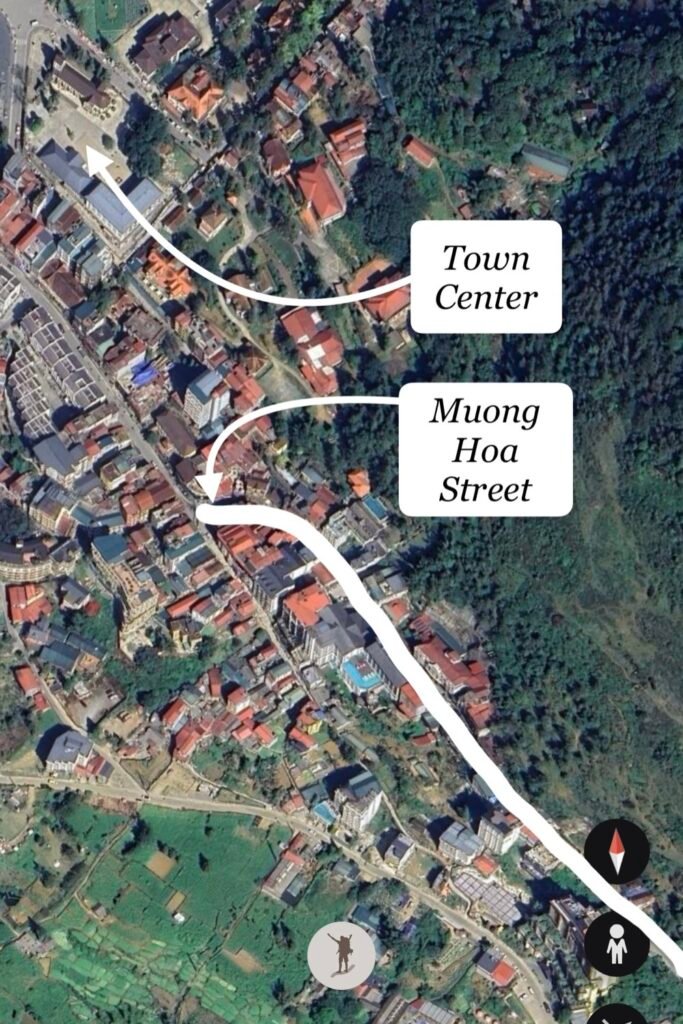
If you’re like us and want to wake up to some epic views, check out the hotels along Muong Hoa Street. This area offers some of the most panoramic scenery of the Hoàng Liên Son Range, also known as the Tonkinese Alps.
The best part?
Most hotels here overlook a valley where clouds often form. When the weather is on your side, you might witness a breathtaking sight… a sea of clouds! Waking up to that view feels like floating above the heavens. That alone is an experience!
But a little heads-up, it doesn’t happen every day, so keep your expectations in check.
We stayed at Bamboo Sapa Hotel. It’s one of the hotels along Muong Hoa Street with an outdoor pool that hooked us at first sight.
I don’t have major comments about the hotel, except that we enjoyed our stay very much.
Now, you might be wondering how far Muong Hoa Street is from the town center. Good news, it’s still very close. You can reach Sapa Square in about 7 to 10 minutes, depending on the hotel you choose.
If you plan to walk, though, keep in mind that the road in this part of Sapa can be steep. My 25-year-old self didn’t mind at all.
For a stay that feels so special, you might want to try Topas Ecolodge.
Topas Ecolodge
It’s that resort you might’ve seen featured by NatGeo, and for good reason. Sitting high in the mountains, it gives you front-row seats to the Hoàng Liên Son Range and endless rice terraces.
The view alone is jaw-dropping, but wait until you see the pool. It’s that super Instagrammable infinity pool that seems to spill right into the clouds.
Beyond the views, what makes Topas Ecolodge stand out is its heart for sustainability. The lodges use local materials and follow a design that supports nearby villages. Everything operates with care for the environment.
The place may be pricey, but the peace, the views, and the rare feeling of sustainable travel make it worth every bit.
To find hotels in the areas of Sapa I recommended, start by visiting the page I’ve linked below.
Things to Do in Sapa
I want to return to Sapa because we only scratched the surface on our first trip. We enjoyed some sightseeing and a relaxing infinity pool. The region has so much more to offer.
What’s beyond Lake Sapa, Fansipan, and other nature experiences?
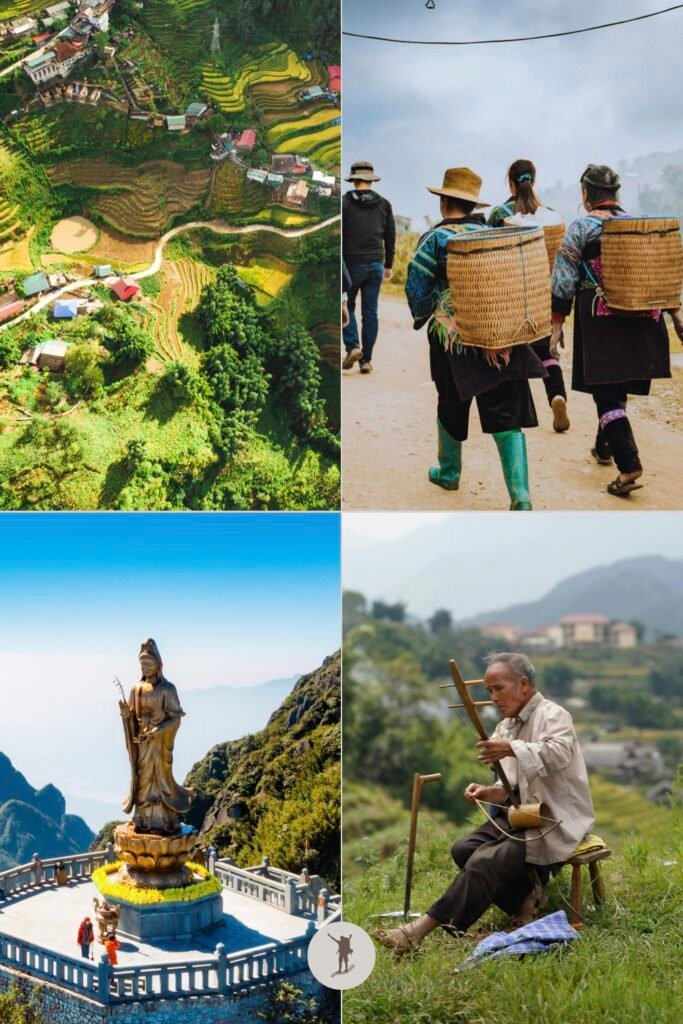
The trekking opportunities are incredible. The Giang Ta Chai Loop takes you through the Black Hmong and Red Dao villages. It also winds past stunning rice terraces, a trek you definitely do not want to miss.
If you are only starting out, the Cat Cat Village hike offers a scenic route through a rustic village. The houses there are well-preserved and full of character.
For adventure and breathtaking views? O Quy Ho Pass, Silver Waterfall, and Muong Hoa Valley are amazing.
Check out my tourist map of Sapa to see where the various attractions are, or browse my post on relaxing things to do if you just want to unwind and soak in the stunning views. For must-have experiences in Sapa, the recommendations on my Travel Planning Page are definitely worth exploring.
What to Pack for Sapa
Are you from a hot country like us and not used to these temperatures? You might want to pack extra layers. Situated in the mountains, Sapa has cooler weather.
During summer, the average high is 23ºC (73.4ºF) and the average low is 17ºC (62.6ºF). From October to March, the average temperature stays below 20ºC (68ºF). In December and January, snowfall is possible.
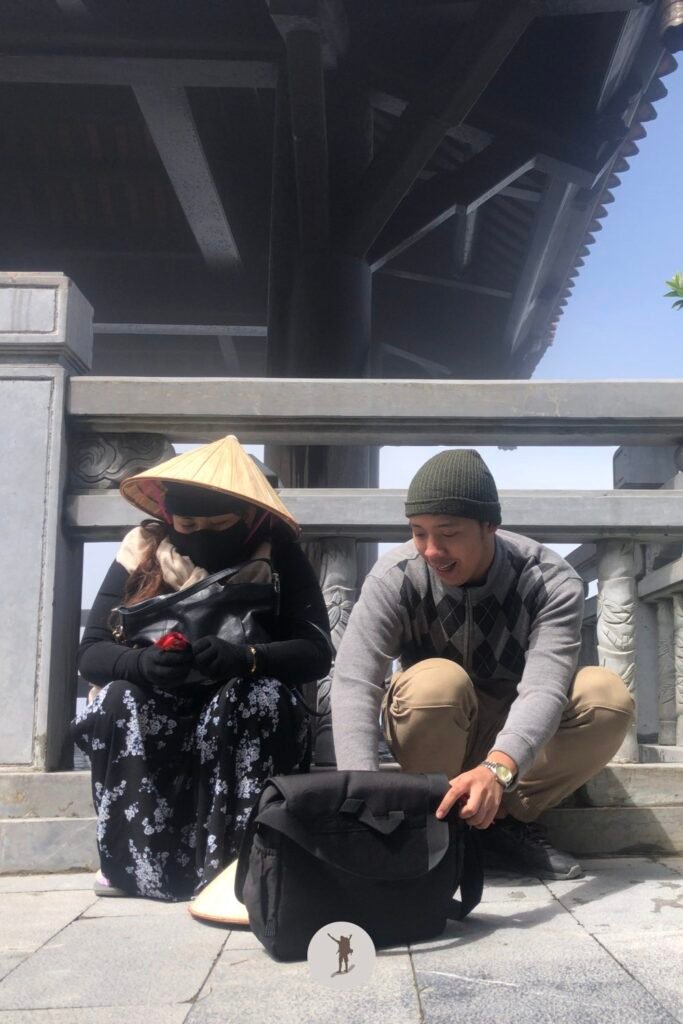
If you include Fansipan in your itinerary, wearing warm clothes is mandatory. Here is our experience in Fansipan when we visited in September.
Other than clothing suitable for the weather, you do not need to pack much.
You only need extra gear if you plan to go trekking. Bring water tumblers, trekking shoes, and sun protection. Trekking poles, insect repellent, and trail food are also useful.
Where to Eat in Sapa
For someone who only had two days in Sapa, endless restaurants and cafés in the town struck me. Walk along D. Thach Son and Xuan Vien Streets between Sapa Square and Lake Sapa, and you will see what I mean.
Beyond the town, even more options await, especially in the valley villages. Cafés with views of the rice terraces are only one example, as I mentioned in my list of Sapa’s relaxing activities.
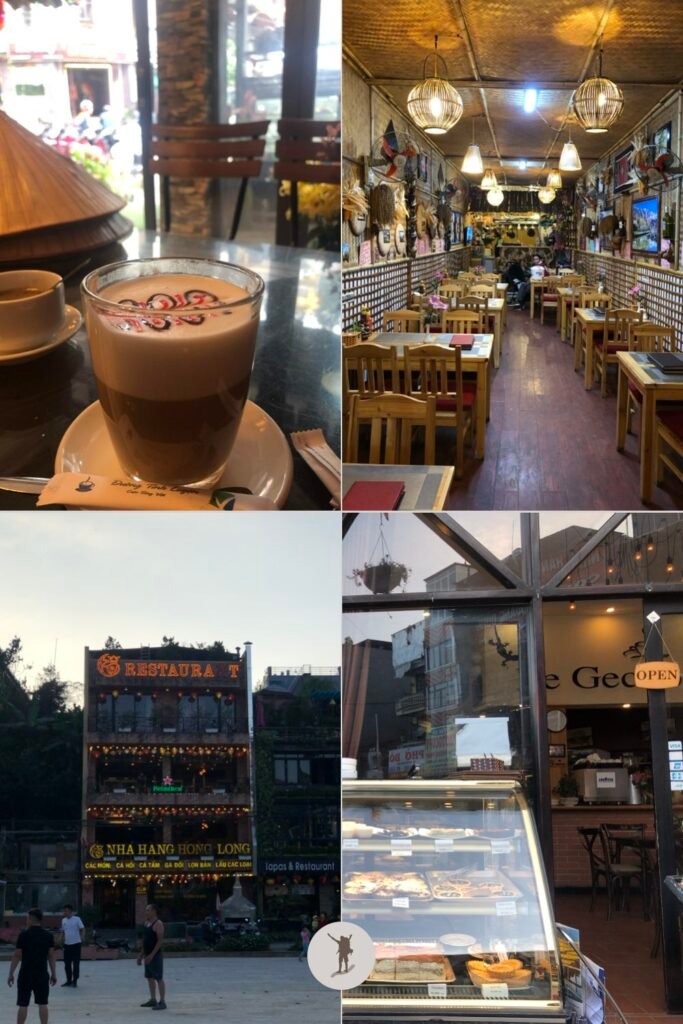
To be honest, I am not a foodie and far from an expert in local dishes. So, my restaurant recommendations might disappoint. In fact, the food we enjoyed most came from our hotel buffet. LOL.
But don’t worry, I found a great list of places to eat in Sapa. They feature local Vietnamese dishes that offer a unique experience for your trip. Check them out!
Safety and Health Tips
All in all, my friend and I didn’t have any major problems with safety or health in Sapa.
The only issue was the very cold weather on Fansipan, which made my friend sick after we got home. She had colds and a fever that lasted a few days.
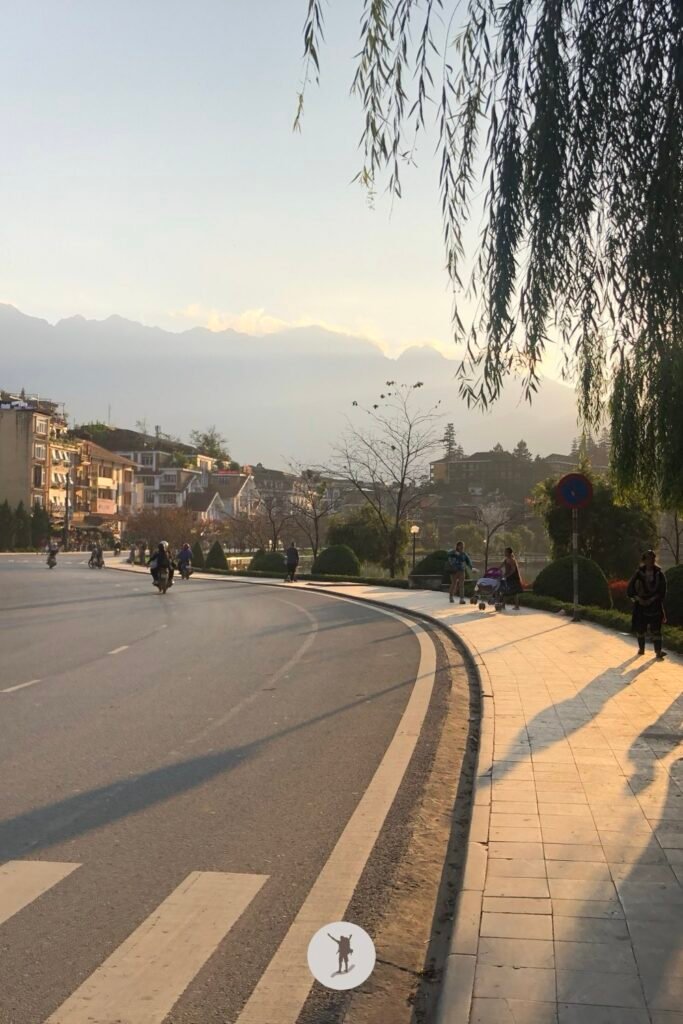
When we went out from our hotel to explore the streets for dinner, we found the area to be safe. We stayed alert and used common sense most of the time. We avoided sketchy, dark spots, ate only foods we were familiar with, and drank only bottled water.
Tours and transportation went well. We booked our tickets and hotel reservations online. So everything worked without a problem. I recommend to do the same.
If you plan to hire a taxi, check the most recent standard fares. Taxi scams are not uncommon in Southeast Asia. Refuse any suspicious offers with politeness.
If you’re going hiking, always check with your hotel reception for updates. Recent bad weather could have caused landslides or other hazards. Some trails might not yet be 100% restored, which could make them unsafe.
Right now, I haven’t found a website that provides real-time safety updates for trails. The best source of information is the local authorities. Your hotel staff can contact them for the latest advice.
Anyhow, visiting Sapa involves adventures and new experiences. You might also try foods your stomach is not used to. So, it’s better to keep an emergency fund. I hope nothing happens to you, but it’s safer to prepare. An emergency fund can help you avoid costly problems along the way.
How to Return to Hanoi From Sapa
If you are returning to Hanoi from Sapa and did not rent a car, I recommend taking the bus. It is faster than the train and more convenient because there are no transfers.
The bus also stops at several locations in the city. That includes both Noi Bai International and Domestic Airport Terminals 1 and 2. This was especially convenient for me since I had a flight home after our trip. I did not need to take another bus from the Old Quarter to the airport, which I would have had to do if I had taken the train.
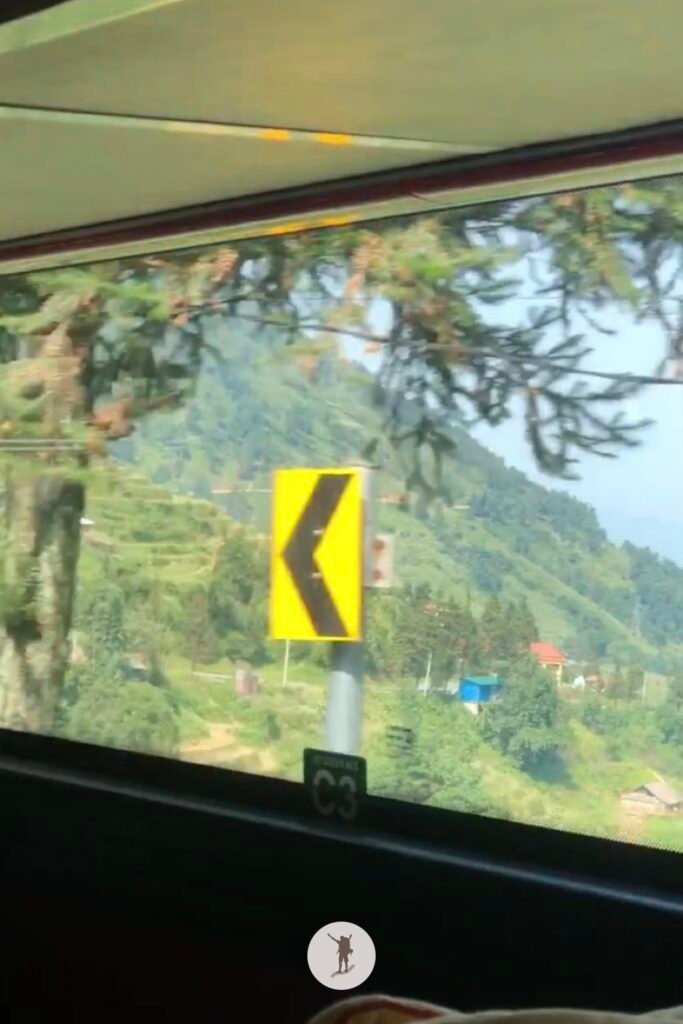
To be specific, I booked a round trip bus ticket, both sleeper type, on Klook. The bus operator was Sapa Express.
When you book, they will send instructions with the exact time and place of departure. The details may have changed since my trip, so I will not go into them here. What I can say is that their WhatsApp customer service was responsive in our experience. If you have any questions, you can call or message them in advance.
Anyway, Sapa Express was punctual, and I had no issues with their service. I should mention, though, that you need to be careful when booking. Some operators use a similar name. Sapa Express is one of the most reliable bus services in the area. That may be why other operators use their name to attract customers.
Another great thing is that their buses have free wifi. If you cannot sleep during a daytime journey, you can stream your favorite shows to pass the time.
Conclusion
Aside from what I’ve mentioned above, most of the things to prepare for your Sapa trip are should be familiar. You may have already included them for your trip to Vietnam.
If you feel you’re missing anything, you can check the Visa Requirements and more Health and Safety tips. You can also review common Vietnamese Phrases, etiquette, and Transportation Tips. These tips come from the official Vietnam Tourism website.
Thank you for reading, and enjoy your trip to Sapa!

Visiting Sapa?
Planning a trip to Sapa shouldn’t be a hassle.
That’s why I’ve put together a one-stop travel planning page with everything you need. Discover the best hotel deals and exciting activities in Sapa from trusted travel companies. How can you get to Sapa and explore the town once you’re there? All sorted!
Just click the button below to get started.
Where to Stay in Sapa?
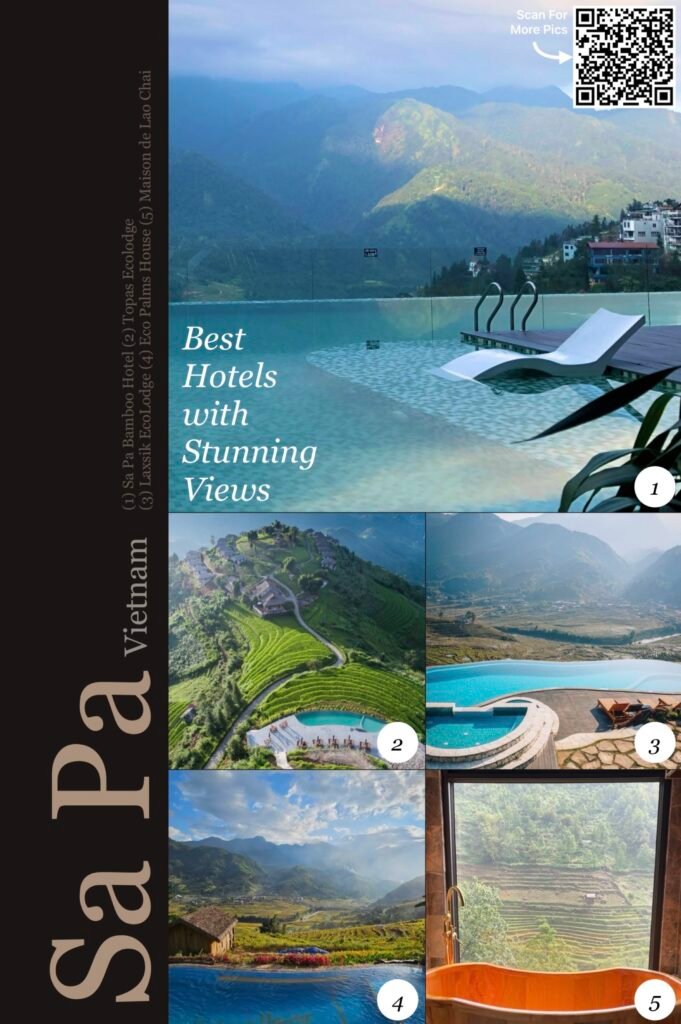
A trip to Sapa isn’t complete without waking up to breathtaking mountain views right from your room. That’s why I’ve rounded up five amazing places to stay so you won’t miss out. Take a look at the poster for a sneak peek at the stunning scenery waiting for you at these properties.
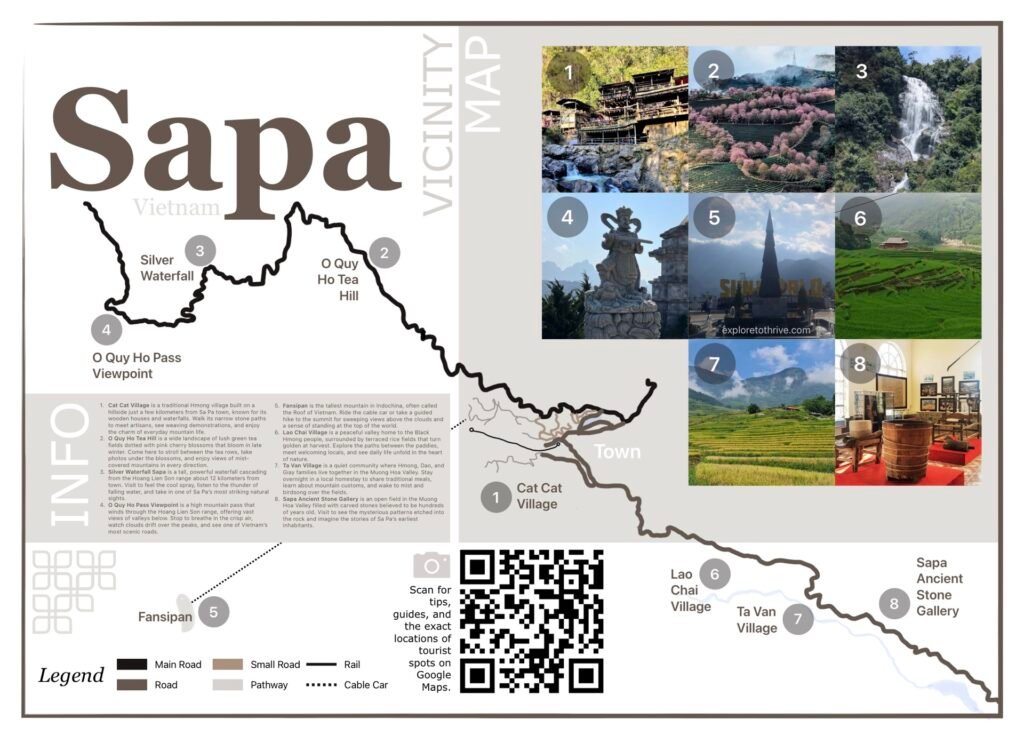
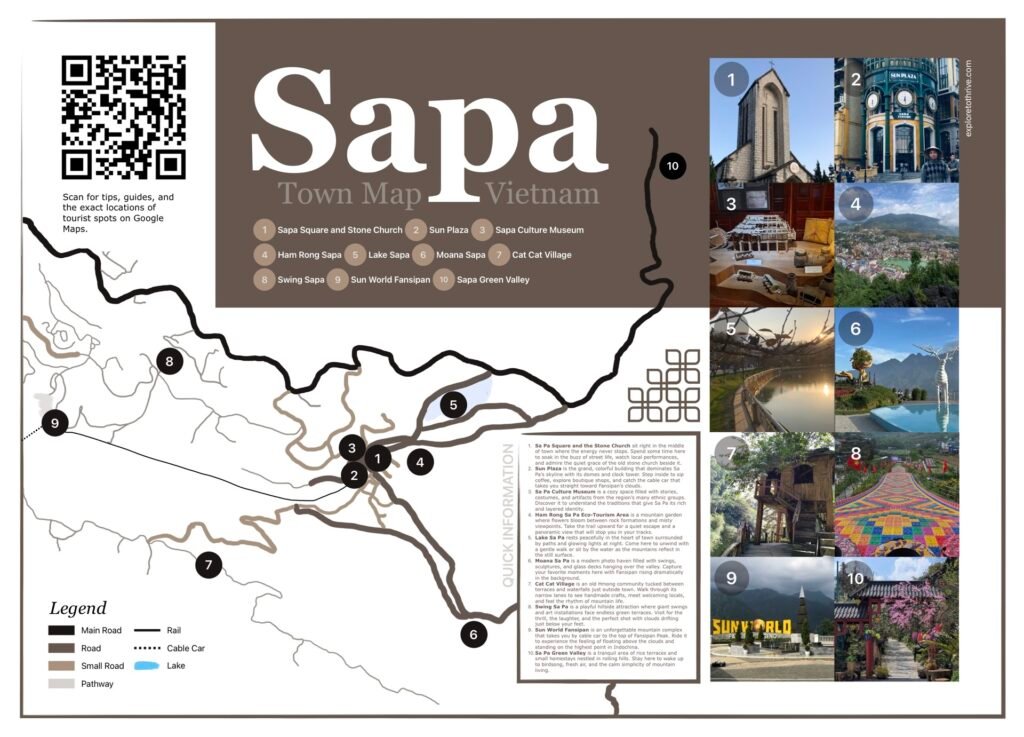
Here’s my Sapa map to help you easily craft your itinerary.
It shows the exact locations of each attraction so you can plan the flow of your trip. Each spot also comes with a brief overview to give you an idea of the experiences you can enjoy there.
Tap the map or click the button below to view the post where I featured these maps, complete with links to Google Maps!
Exploring Northern Vietnam?
Sapa is just one of the many breathtaking places to explore. Northern Vietnam has so much more to offer.
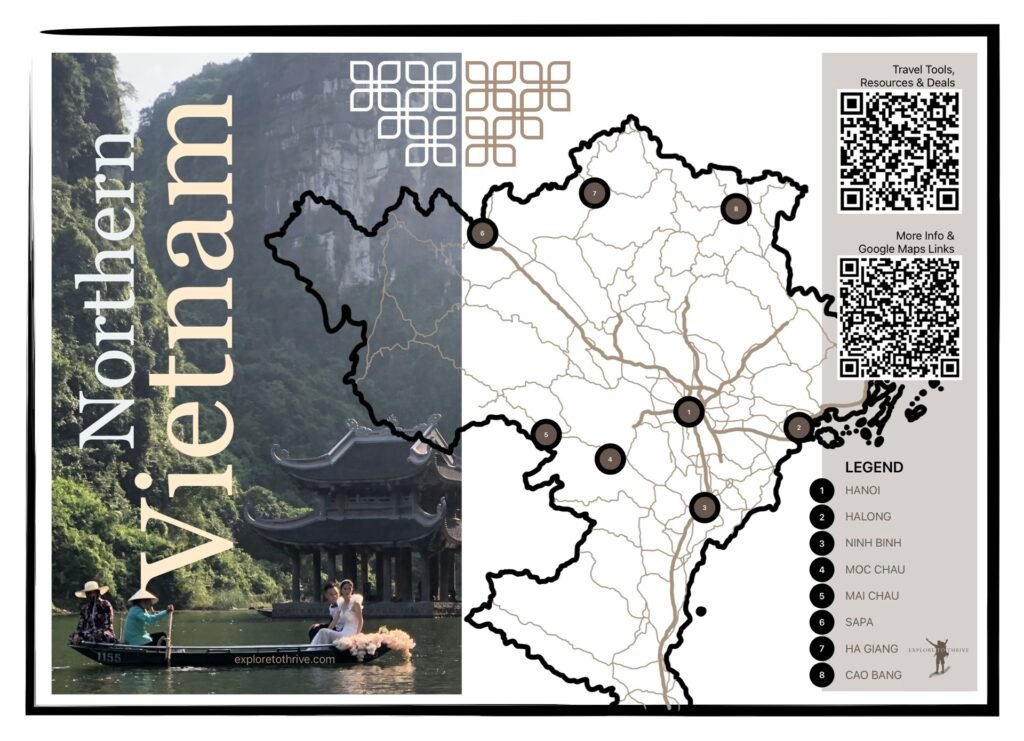
My tourist map features over 30 attractions, including 8 charming towns and their surrounding sights. From stunning coastlines to breathtaking mountain peaks and fascinating historical landmarks, there’s an adventure waiting at every turn.
Get inspired by our experience on how to spend a few days in Northern Vietnam. It wasn’t perfect, but it turned out to be one of the most memorable travel adventures I’ve ever had. Click the button below to get started.
If you share my love for stunning views and breathtaking scenery, you’ll want to check out my bucket list of scenic destinations in Northern Vietnam. Click or tap the button below. 🙂
Thank you for reading
I hope my trip and experiences spark ideas for your travels and help you plan your next trip. But before you go, if you haven’t checked it out yet, drop by my homepage so I can give myself a proper introduction. Catch you there!
Support Explore to Thrive
If this post brought you value, please help me keep this blog growing by checking out the services I recommend below. They are affiliate links, meaning that if you purchase a ticket or book a service through them, I earn a small commission at no extra cost to you. Your support makes a real difference in helping me continue creating helpful content for you.