Our Whale Shark Watching Experience in Oslob, Cebu, and Our Tips for First-Time Visitors
Grab my first-hand travel tips for your visit in Oslob to see the whale sharks. Most people do not talk about the details I am sharing so read until the end.

Terrifying and exhilarating. A mix of both.
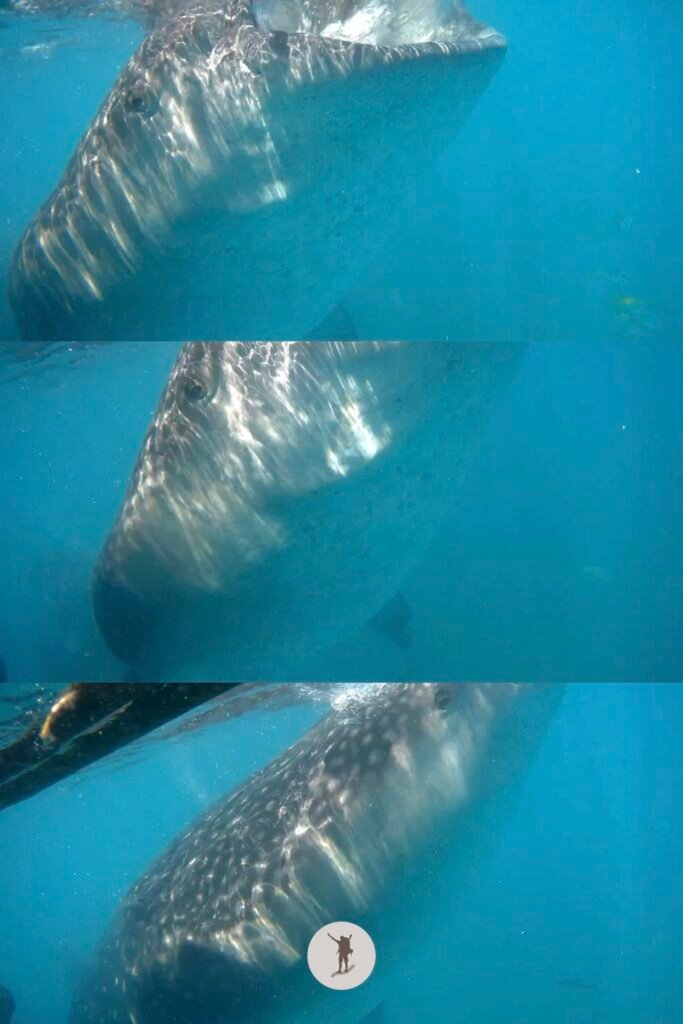
That’s how I felt right at the peak of our whale shark watching in Oslob Cebu. Imagine this giant creature swimming beside you and opening its mouth like it’s about to swallow you whole… right before your boat guide mentions they don’t actually eat humans. That one! Haha!
Sorry for the spoiler, but yeah, that’s the kind of fun you can expect in Oslob. 😉


Apparently, that is why I am always recommending whale shark watching (along with Kawasan Falls Canyoneering and the Moalboal sardine run) whenever someone asks what not to miss in Cebu. And when they ask what the deal is with the whale sharks, this is the post I share with them.
While I loved seeing the whale sharks, the trip definitely had its flaws. I will break down exactly what happened so you can see for yourself. Included are tips that should help you have a much better time than I did.
Note: It’s important to understand the ethical concerns surrounding the whale sharks in Oslob before you visit. If those issues bother you, the choice to go is entirely yours. To be honest, we didn’t know about the controversy during our trip. But since that experience is over, all I can do now is raise awareness. For a quick summary of the ethical situation, check out this link to National Geographic. Launch it in another tab so you can read later.
For context, we visited Oslob during a 5-day Central Visayas trip with one day in Bohol and four days in South Cebu. Our whale shark watching happened on day four, right after a sunrise hike at Osmeña Peak.
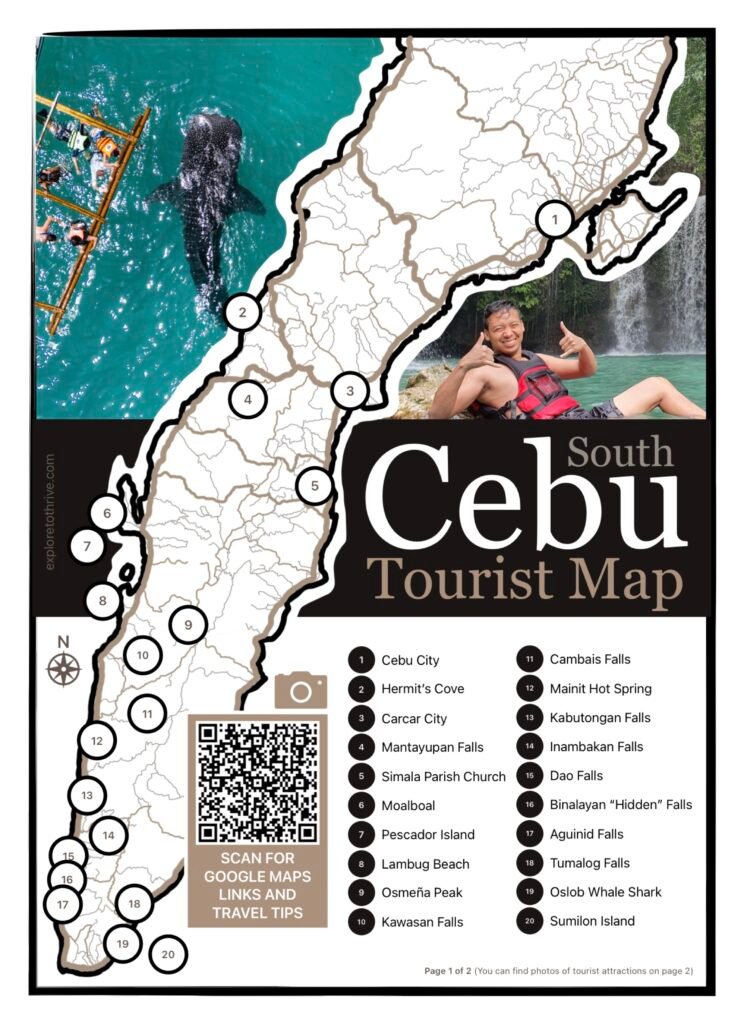
Actually, we considered visiting Oslob first. However, coming from Moalboal, we thought it made more sense to hike first. You can check my South Cebu map to get a better idea of where all the tourist attractions are located.

Hi! It’s Eljon and I want to welcome you to my blog, Explore to Thrive.
Here, I share my experiences with traveling, reflections on spirituality, personal growth and insights on building an online business, all to make a difference.
But my mission goes beyond that. You can learn more about what I do by visiting my homepage or by subscribing to my newsletter.

Getting There
And because we visited Cebu as a group, we rented a van and hired a driver so we could enjoy the trip together. Having a private ride meant we owned our schedule and bypassed the usual stress of figuring out local transit.
(It was actually a customized all in one tour, which covered our tickets, reservations, and transportation. But yeah, there are five great reasons to rent a car, especially when traveling with a group on your trip to Cebu.)
The convenience really showed when we went from the heights of Osmeña Peak down to Oslob. That stretch is about a two hour drive, a timeline that is impossible to match if you are relying on public buses or transfers. We left the peak reception area around 7 and pulled into Oslob just after 9, perfectly timed to start our main activity.
By the way, if you are commuting from the city, taking the bus is the most common and affordable option.
Head over to the Cebu South Bus Terminal and look for a bus with a Bato-Oslob sign, then ask to be dropped off at Tan-Awan. These buses run nearly 24/7 with departures every 30 minutes to an hour. Plan for a travel time of at least 3 hours.
When to Visit
Since we visited during November, which is still within the rainy or low travel season (June to November), I expected fewer crowds similar to our experience at Kawasan Falls Canyoneering on day two.
But when we arrived, the area was much busier than I initially imagined. People filled the tents or the waiting area. Although, it wasn’t overly packed, like there were still one or two vacant chairs in every row. It was only then that I realized we were visiting on a weekend (Saturday), which naturally means more tourists.
Later in our visit, we felt so lucky the weather cooperated. It was actually hot and sunny, making the underwater views even better.
That said, I wouldn’t really recommend visiting during the rainy season because the weather is a total gamble. Weigh the pros and cons carefully before you settle on your travel dates.
If you want to play it safe and avoid cancellations, go during the dry season from January to April. The only problem is that it gets crowded. Heading out to see the sights super early in the morning is an easy way to avoid the masses.
Registration and Waiting
From what we observed, getting to the whale shark boats follows a pretty standard process. First, you register at the info desk or briefing center, grab a number, pay the fee, and wait. A loudspeaker calls out numbers, and once you hear yours, it is your turn to head to the interaction area.
Since we were on a tour, our guide handled all the paperwork and fees for us. We just waited under the tent, explored the area, checked out souvenir shops, and watched people gear up for scuba diving. No hassle, pretty convenient!
Here is the thing, even though there were a lot of tourists when we arrived, I would view our group as lucky because we did not wait for an hour and a half or two like what other people say on Reddit and other blogs.
Believe it or not, we waited about 30 minutes? It was not that long and I did not get bored.
Perhaps visiting during the off peak season helped, and there were many boats that day accommodating the tourists which made the waiting time quick. It seemed like every three to five minutes or so, there were boats going back and forth to the shore to unload and pick up new tourists.
But yeah, the crowd was really building up as we waited. I believe they were the day trippers coming in from Cebu City finally showing up. And that made me realize we had just arrived at the “last minute” perfect time. If we had arrived any later, our wait probably would have been much longer.
With that in mind, get there as early as you can when you go. This way you can avoid the long lines. The whale shark watching experience is open from 6 to 12 noon.
Short Briefing
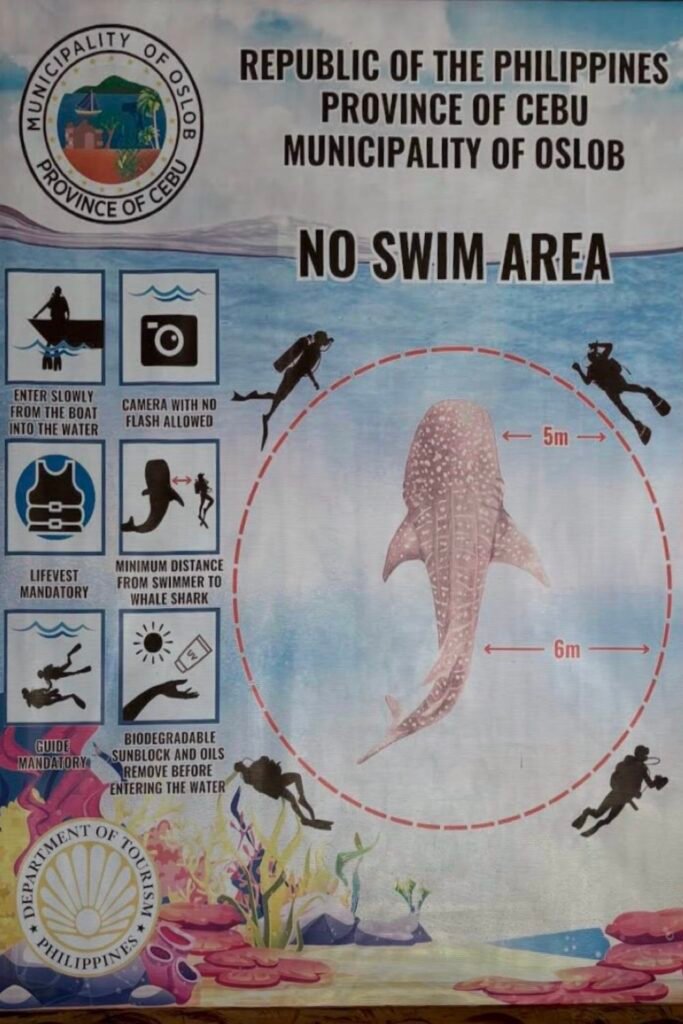
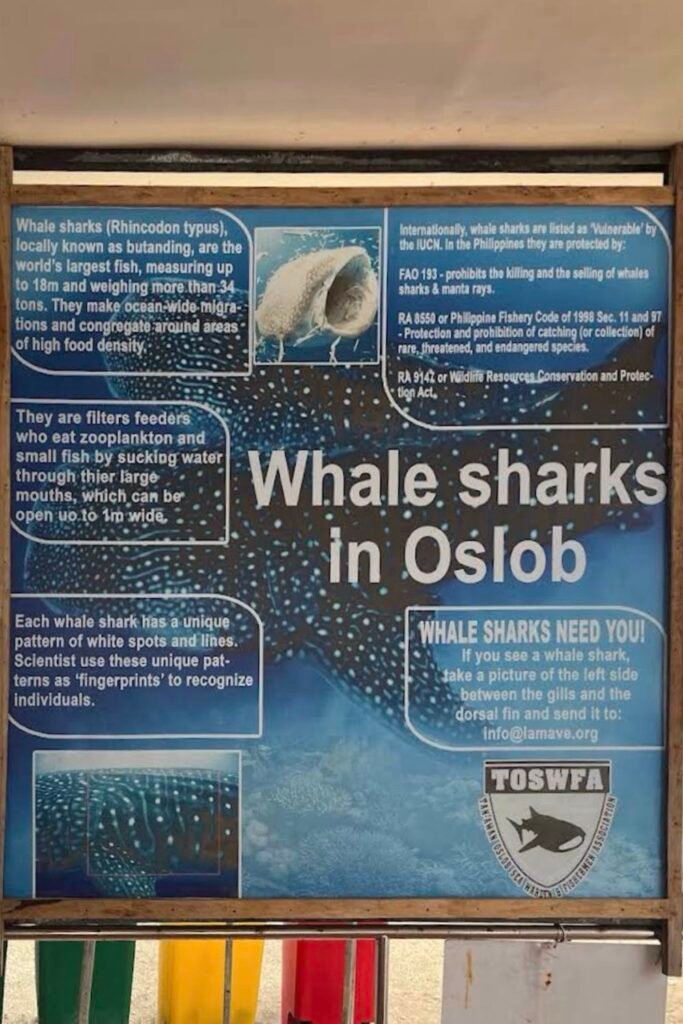
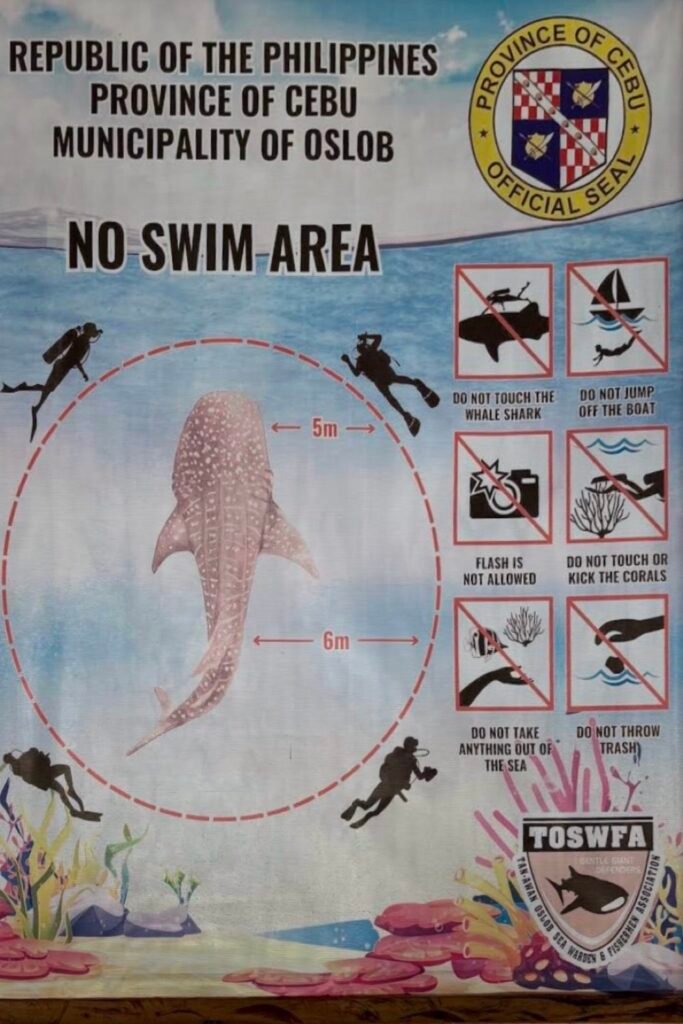
Before the actual interaction with the whale sharks, everyone must attend a short briefing.
This session covers essential rules like keeping your distance, avoiding any touching, and not chasing the animals for photos. Flash photography is prohibited to not startle the sharks. You cannot wear sunscreen in the water, so you will need to wash it off at the nearby showers if you already applied some.

Getting on the Boat
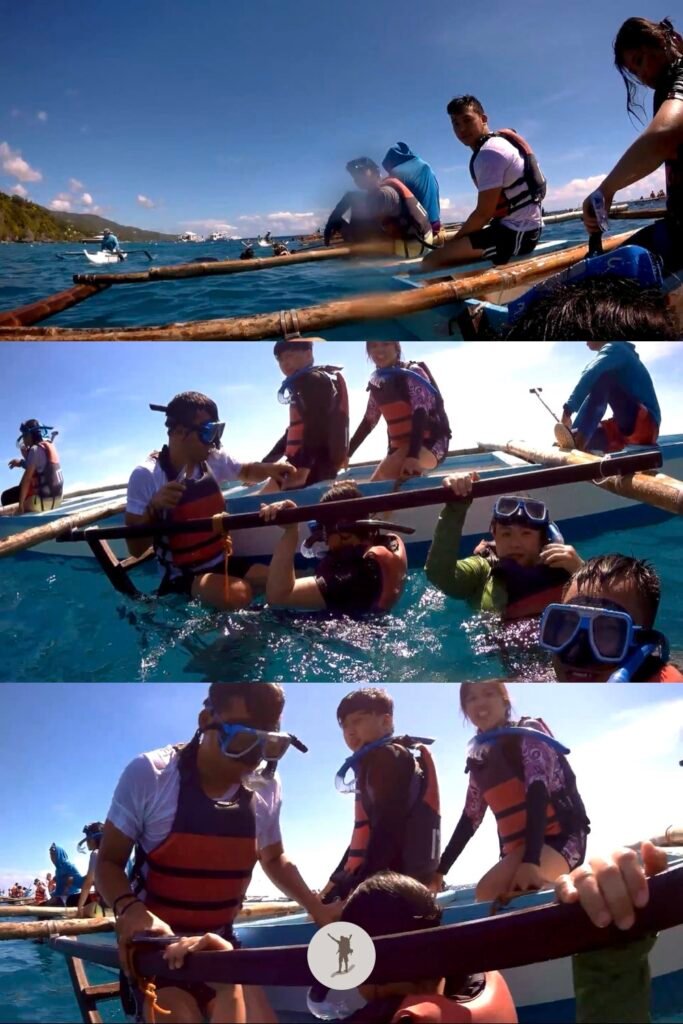
When it’s finally our turn, our guide quickly escorted us to our boat. Then, the boat men handed us our life vest and snorkeling gear as we climb the boat.
At this point my excitement kinda faded because I was given with snorkel which has a mouth piece that was already gnawed badly. Its material was already deformed (something that tells that the equipment has been used so many times before).
I also felt hesitant to insert the mouth piece in my mouth because I also get the impression that the equipment was just used earlier. But since everything happened so fast, I did not had the time to replace the snorkel and just washed what I got with sea water.
With that in mind, if you are sensitive, you might like to bring your own snorkel during your trip.
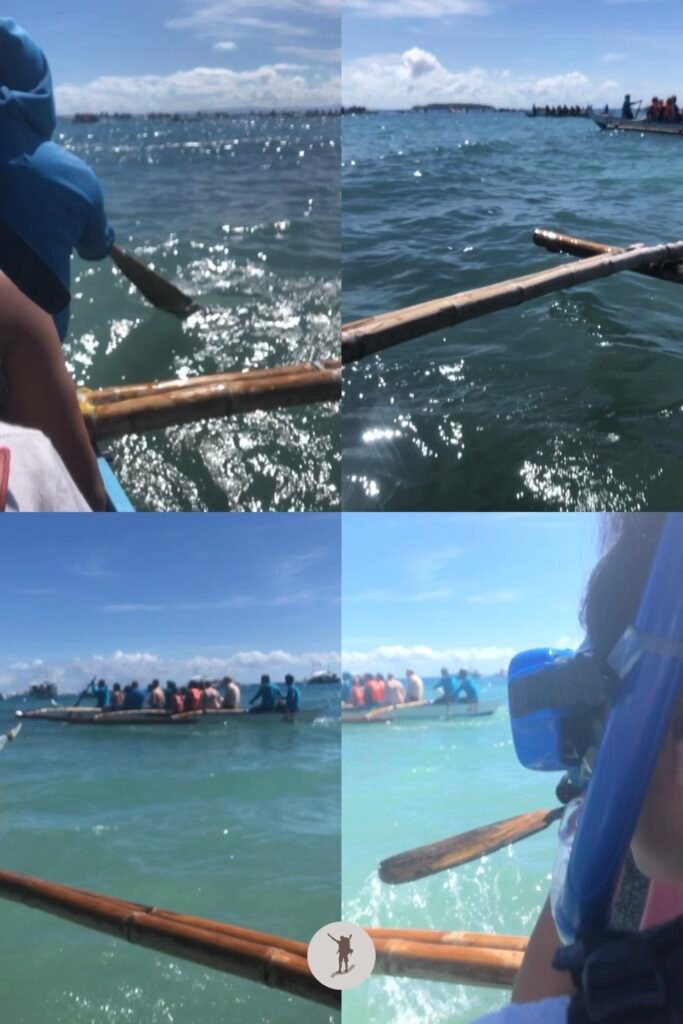
Anyway, each boat can carry 8 passengers. Since we were seven in the group, we did not share boats with other tourists like others visiting on a smaller group.
The boat is not motorized, only paddled by the boat men, but getting to the actual interaction area with the whale sharks won’t take long. Travel time is 5 minutes or so.
Interaction Area
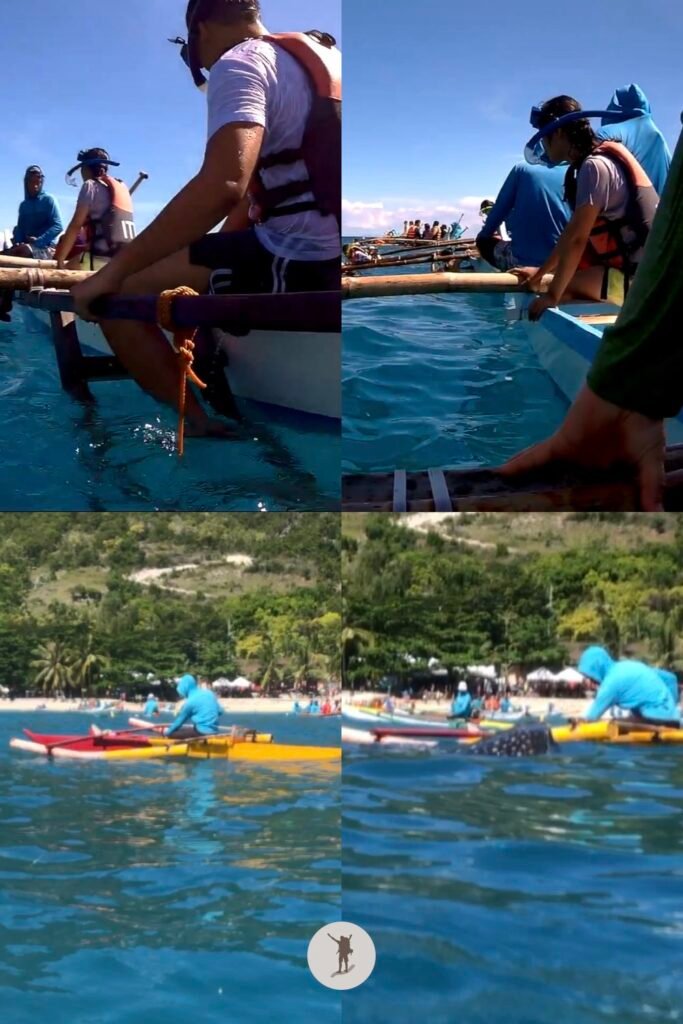
When we arrived at the interaction area, there must have been dozens of boats lining the horizon. Some of them are the feeder boats, tossing shrimp into the water to feed and keep the whale sharks nearby and close to the surface. It is a technique used to ensure tourists get a closer view of the animals.
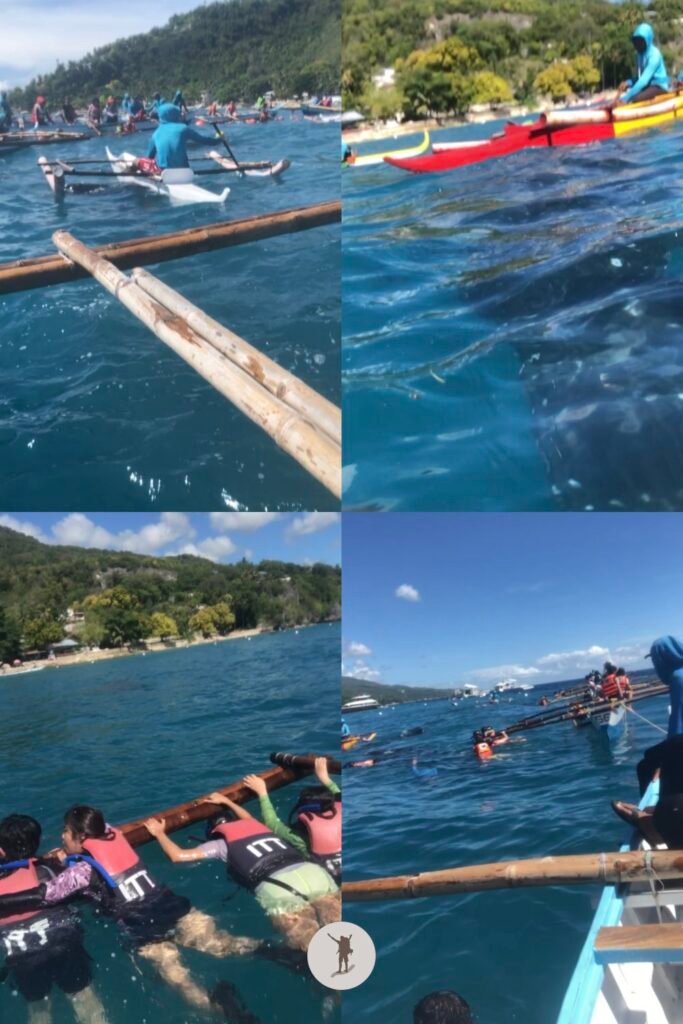
How did we know those were shrimp? You can tell by the time you reach the interaction area because of that distinctive, pungent smell.
Anyway, excitement kicked in as soon as we started seeing the whale sharks.
They are truly massive, even though they vary in size. One whale shark I saw was almost twice the size of the feeder boats it followed for shrimp. I have no clue about their exact size, but I would guess they were 6 to 8 meters long.
Snorkeling
After a few moments of final prep, like getting the snorkel ready, securing phones in waterproof cases for video, and stashing gear in the dry bag, we finally started the underwater sightseeing… the main event!
Let’s say you were in the boat with us, you can slowly hop into the water or use the short ladder to get started. Either way, once you are in, you can simply hold the outrigger and watch the whale sharks swim near you while they follow the feeder boats for shrimp.
What I appreciate most about our boatmen is how they positioned us perfectly. We stayed right near a feeder boat on the “edge” of the interaction zone. There were fewer tourists around and we ended up watching a whale shark swim incredibly close to our boat.
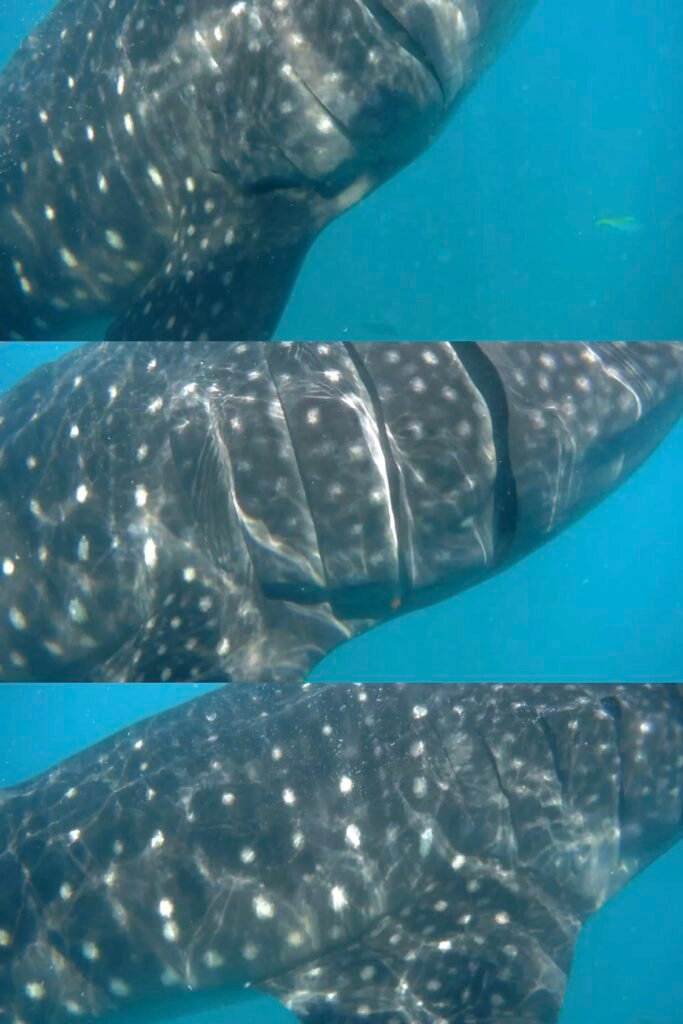
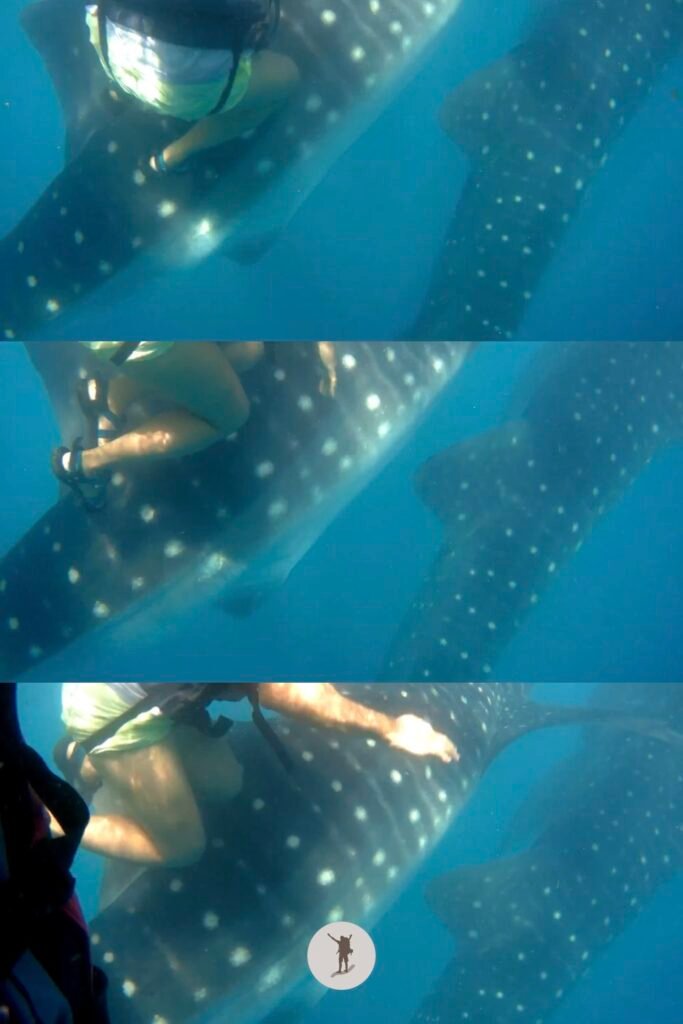
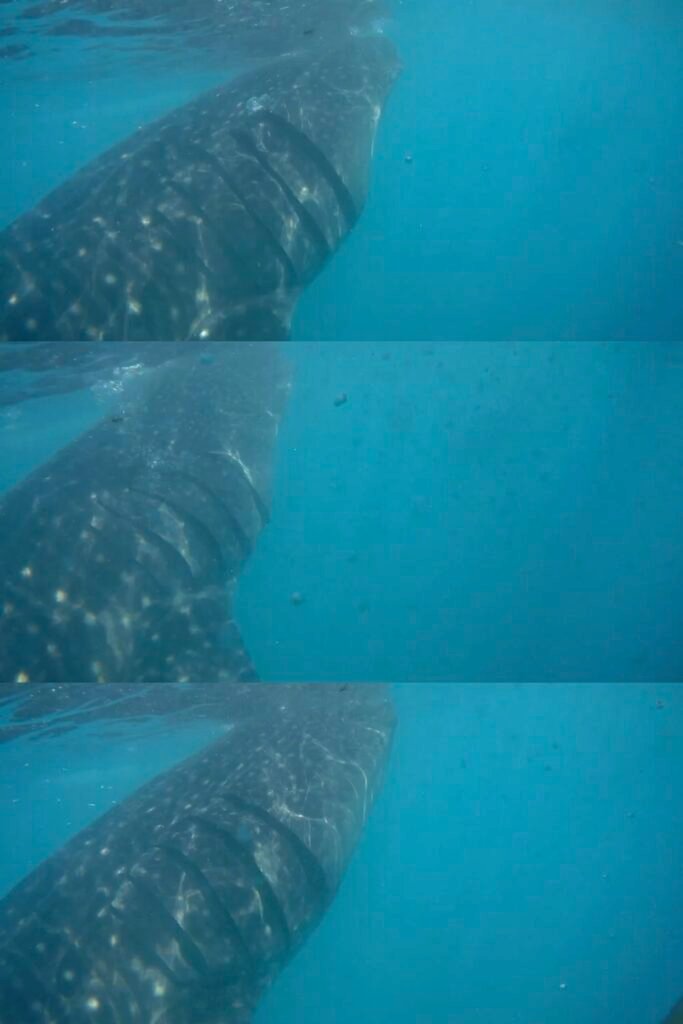
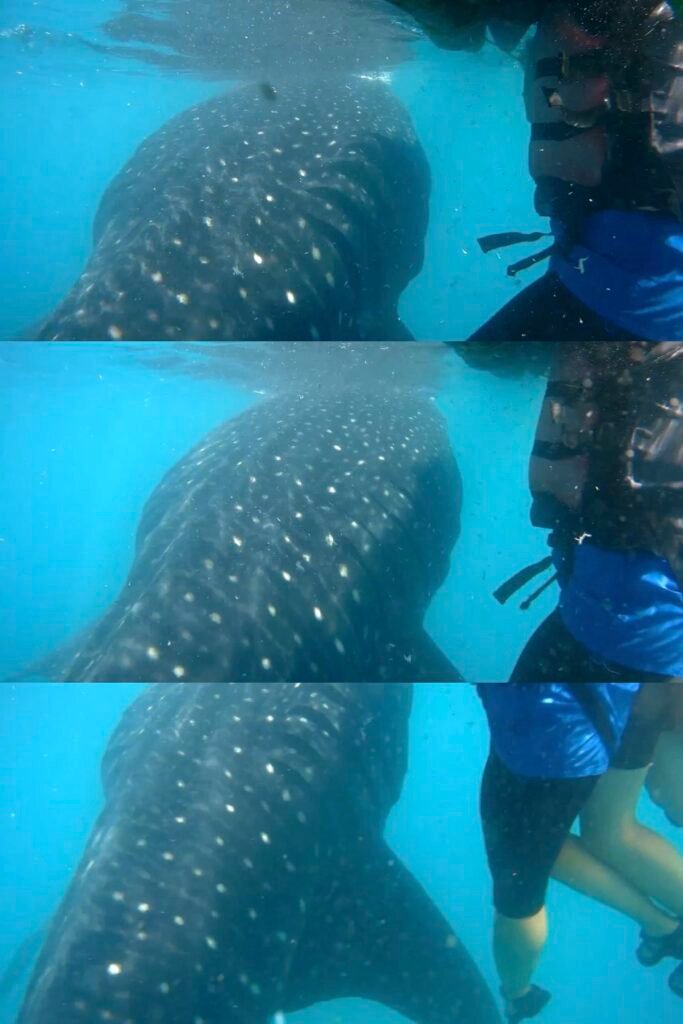
I think we had one moment where we were only a meter or two away from the massive, impressive body of a whale shark.
I must say, that was when things became really exciting. In those moments, I almost forgot I was using a worn out snorkel.
My eyes opened wide as they moved right in front of us. I felt hypnotized by the pale white dots on their skin glowing as sunlight piercing the surface of the sea touched them. And their gills. Mesmerizing. Opening and closing in a slow, rhythmic pulse, like waves of the ocean.
The best part was seeing that massive mouth open right below me like I was about to be swallowed whole.
I knew I was safe while holding tight to the outrigger, but the experience felt just terrifying and exhilarating at the same time… exactly like a scene from an adventure movie. Haha!
If shouting underwater were possible, I would have let out a loud frantic scream. LOL.
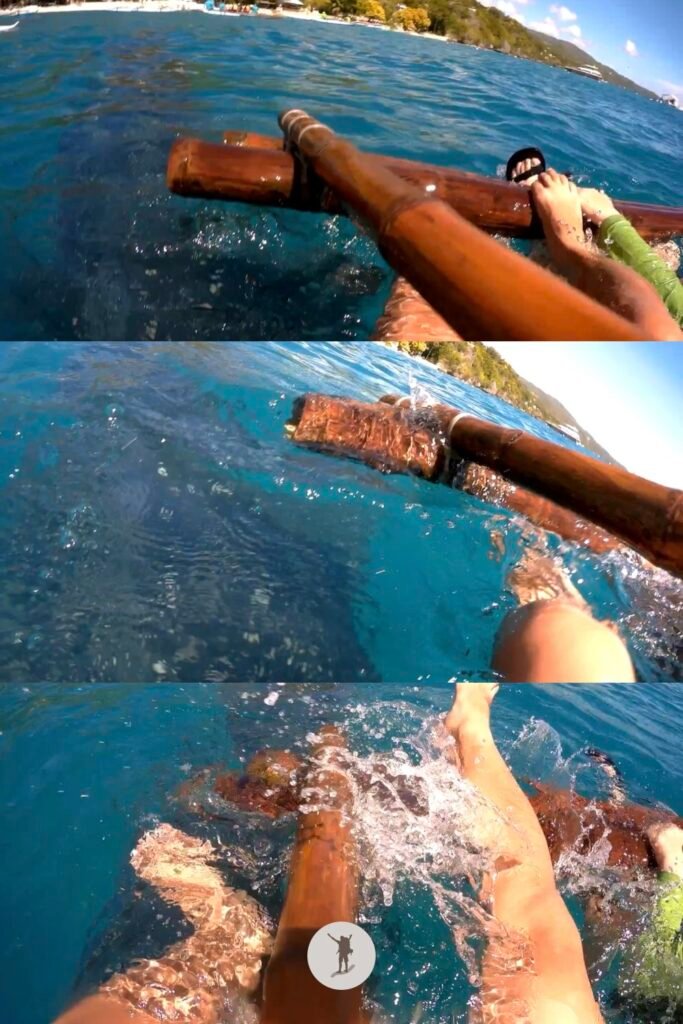
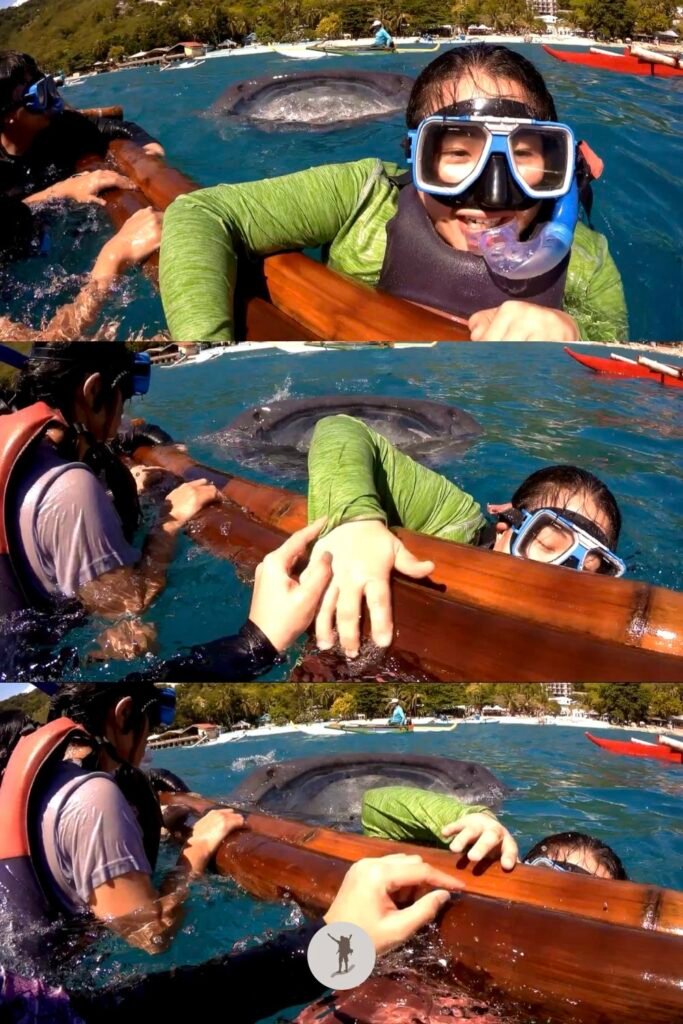
Frankly, it’s the kind of experience that explains why a snorkel mouthpiece ends up so gnawed. That level of thrill makes you bite down hard on the rubber.
I surfaced immediately after that moment and asked our boatman if a whale shark had ever actually eaten a tourist. He laughed a little and told me it is completely safe. Whale sharks only eat plankton, small fish, and shrimp.
But yeah, you should definitely ask your boat men to use the same boat setup we had if you ever get the chance. You won’t regret it.
Other travelers mentioned they saw more legs of other tourists than actual whale sharks and they also bumped into each other most of the time while trying to watch. Thankfully we did not experience that.
Photography
Aside from watching, I wanted to take a selfie with the whale shark.
Are you familiar with those epic shots on Instagram? The free diver posts with a whale shark in the backdrop? It would have been cool to do that, but I did not really mind anymore after that thrilling experience.
It’s not that I remained terrified, but seeing that whale shark up close was more than enough for me. Also, I figured pictures would never do justice to the thrill of being so close to one anyway.
Duration
All in all we spent 30 minutes in the interaction area like most tourists get to do. Including the boat trip back and forth, I think around 45 minutes total.
And honestly, while those 30 minutes seem short, personally, it’s plenty. If your boat parked in a good location like ours did, you’ll see the whale shark several times, not twice or three times but a ton of times. And 30 minutes is definitely going to be more than enough.
Aftermath
When we got back to the beach, we really needed a shower. That shrimp smell kind of stuck to us and we figured smelling like that all day would be gross, especially since we still had to trek through Aguinid Falls.
Good thing showers are available right across the street. You might want to bring your own soap so you can completely remove the scent after.
But if there’s one thing that stayed with me after visiting the whale sharks, it’s definitely that terrifying and exhilarating experience I mentioned. For sure, it’s something I’ll share every single time whale shark watching in Oslob comes up. One of those moments where I felt so alive.
And so if you want to experience that for yourself, definitely don’t miss Oslob on your Cebu trip. Join a tour like we did so you can easily go whale shark watching and have the same convenient experience we had.
What’s Next
That wraps up our whale shark watching experience, but our adventure in Oslob didn’t end there. Our tour took us over to Sumilon Island, which has a stunning sandbar and is only a 15 minute boat ride away.
Check out my post about Sumilon Island to see the view.

Planning a Trip to Cebu?
I am here to help you plan your journey and ensure you have an incredible time. You should check out my travel maps, planning tools, itineraries and tips, which are all derived from my own adventures in Cebu.
View my maps for a visual guide to discovering attractions.
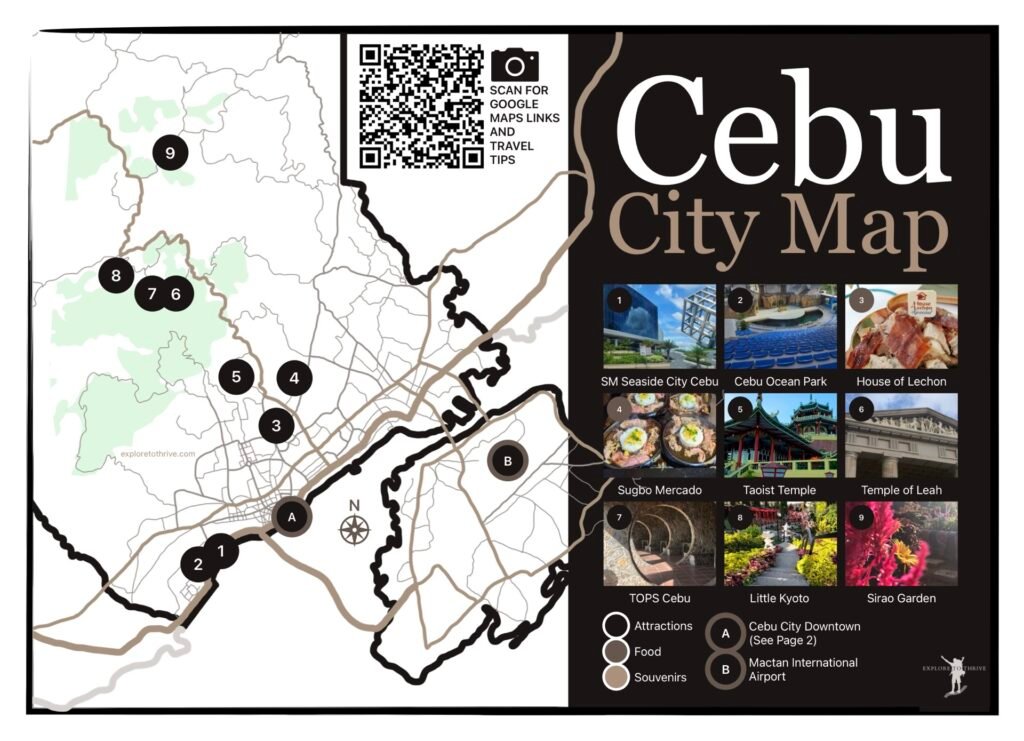
Here are my itineraries to spark your inspiration.
Avoid the setbacks we encountered; check out the tips for making the most of your trip to Cebu.
My travel planning resources page has everything you need to get fully prepared.
From this page, you can find the best hotels, cheap car rentals, affordable flights, and travel insurance. You can also book the top 3 unmissable activities in Cebu. You can find alternative experiences in Oslob, Badian, Sibonga, Moalboal, Bantayan, and Malapascua as well.
Of course, if you’re visiting Cebu City and if you want to go beyond Cebu, you can discover nearby destinations like Bohol, Siquijor, and Dumaguete, the page also provides helpful tools for you.
Explore Central Visayas
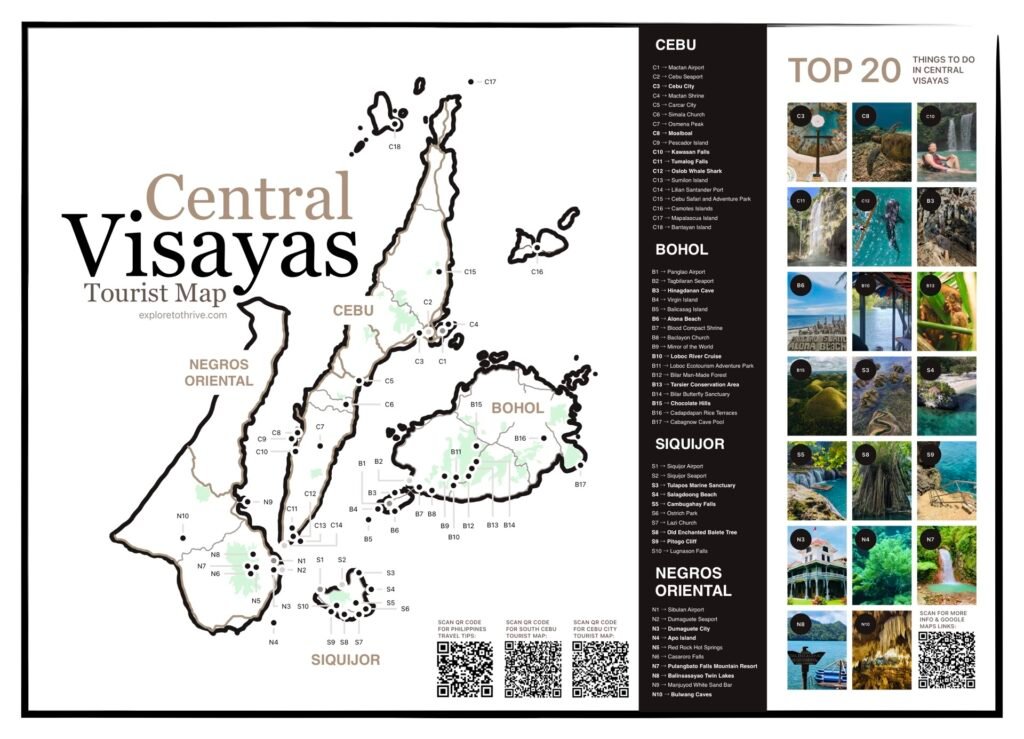
There’s more to see in Central Visayas.
This tourist map gives you a great look at all the awesome things you can do in Central Visayas. Top popular spots and cool new places across Bohol, Cebu, Negros Oriental, and Siquijor are marked right on the map. Tap the map image or hit the button to grab your free printable PDF. Links to Google Maps are packed into the blog post.
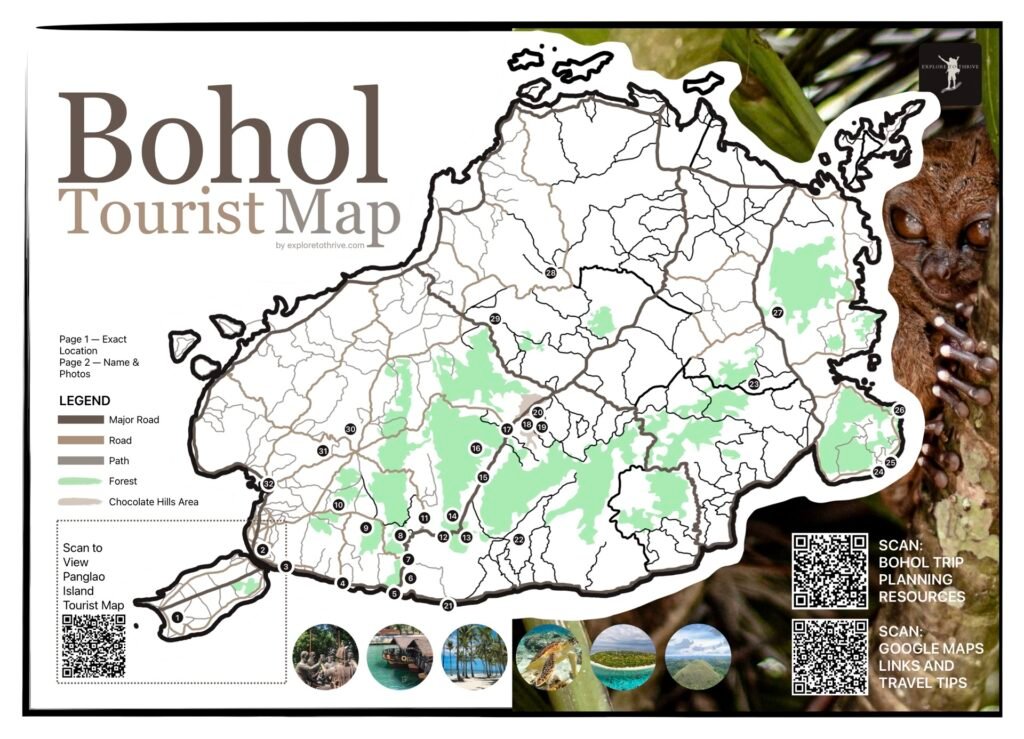
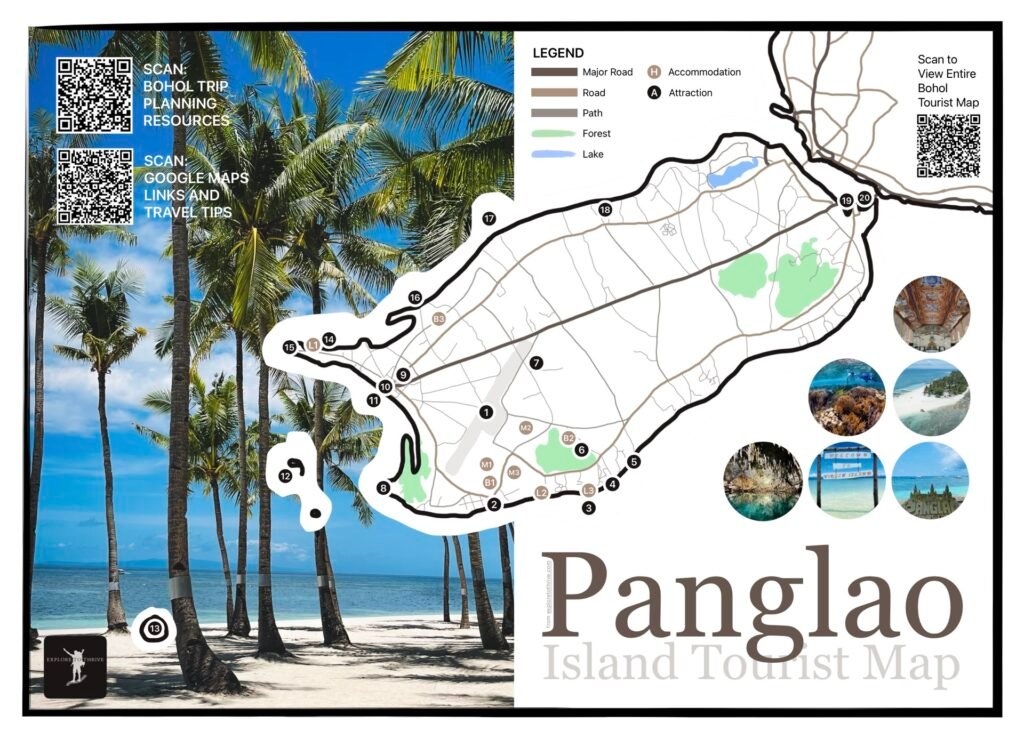
Give Bohol a closer look. There’s so much to discover! Check out all of my Bohol maps.
Thank you for reading
I hope my trip and experiences spark ideas for your travels and help you plan your next trip. But before you go, if you haven’t checked it out yet, drop by my homepage so I can give myself a proper introduction. Catch you there!
Support Explore to Thrive
If this post brought you value, please help me keep this blog growing by checking out the services I recommend below. They are affiliate links, meaning that if you purchase a ticket or book a service through them, I earn a small commission at no extra cost to you. Your support makes a real difference in helping me continue creating helpful content for you.